The Complete Beginner's Guide to High Protein Eating
By Jenna Ruiz, RDN · 3 min read · Updated July 26, 2026
Start with one number
Before you change a single meal, set a daily protein target. Without a number, high protein eating is a vibe rather than a plan.
For most adults, take your goal body weight in pounds and multiply by 0.7 to 1.0. A person targeting 160 pounds lands somewhere between 112 and 160 grams per day. Start at the lower end.
Write the number down. Then divide it by four to get a rough per-meal target including one snack. That is the whole strategy.
The protein plate formula
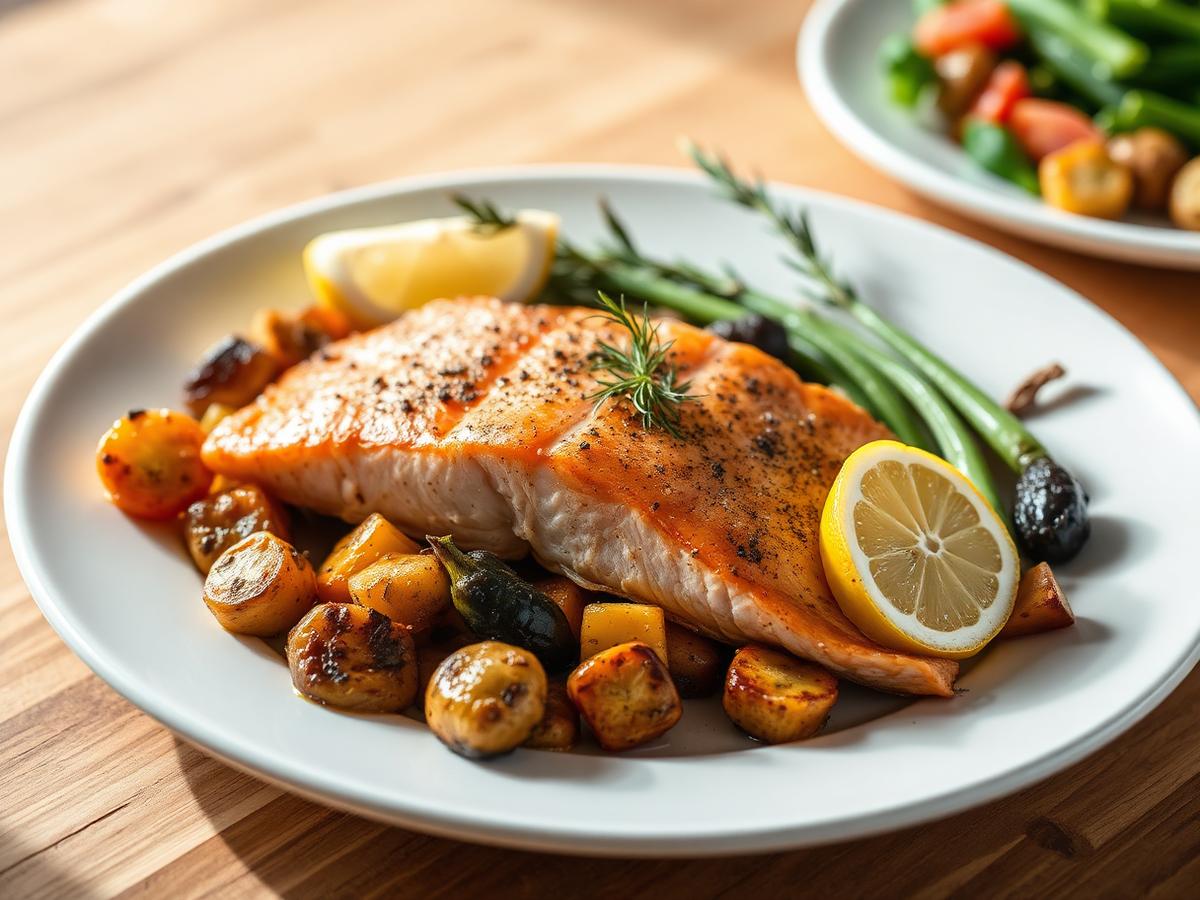
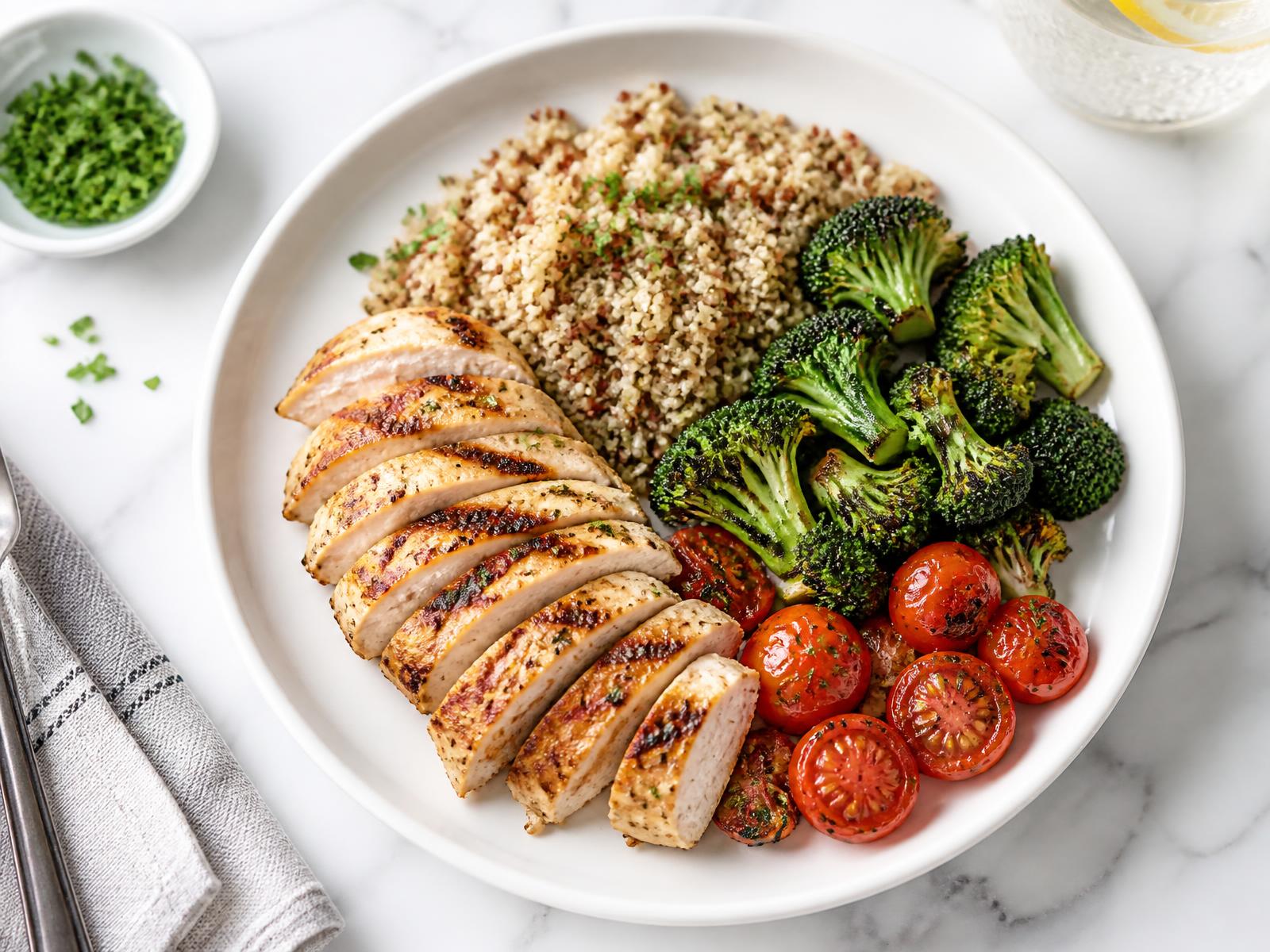
Every meal on this site follows the same shape, and once you see it you cannot unsee it.
- One palm-sized-plus portion of protein — 30 to 45 grams
- One fist of high-fiber carbohydrate — rice, potato, beans, whole grain
- Two fists of vegetables — the volume that makes the plate satisfying
- One thumb of fat — olive oil, avocado, nuts, cheese
- One flavor element — acid, sauce, herbs, or spice
Week one: change breakfast only
The most common beginner mistake is changing everything at once. It produces a spectacular three days followed by a return to baseline.
Instead, change breakfast and nothing else for a full week. It is the meal most people under-protein, it is the easiest to standardize, and getting 30 grams before 9 a.m. changes the shape of the entire day.
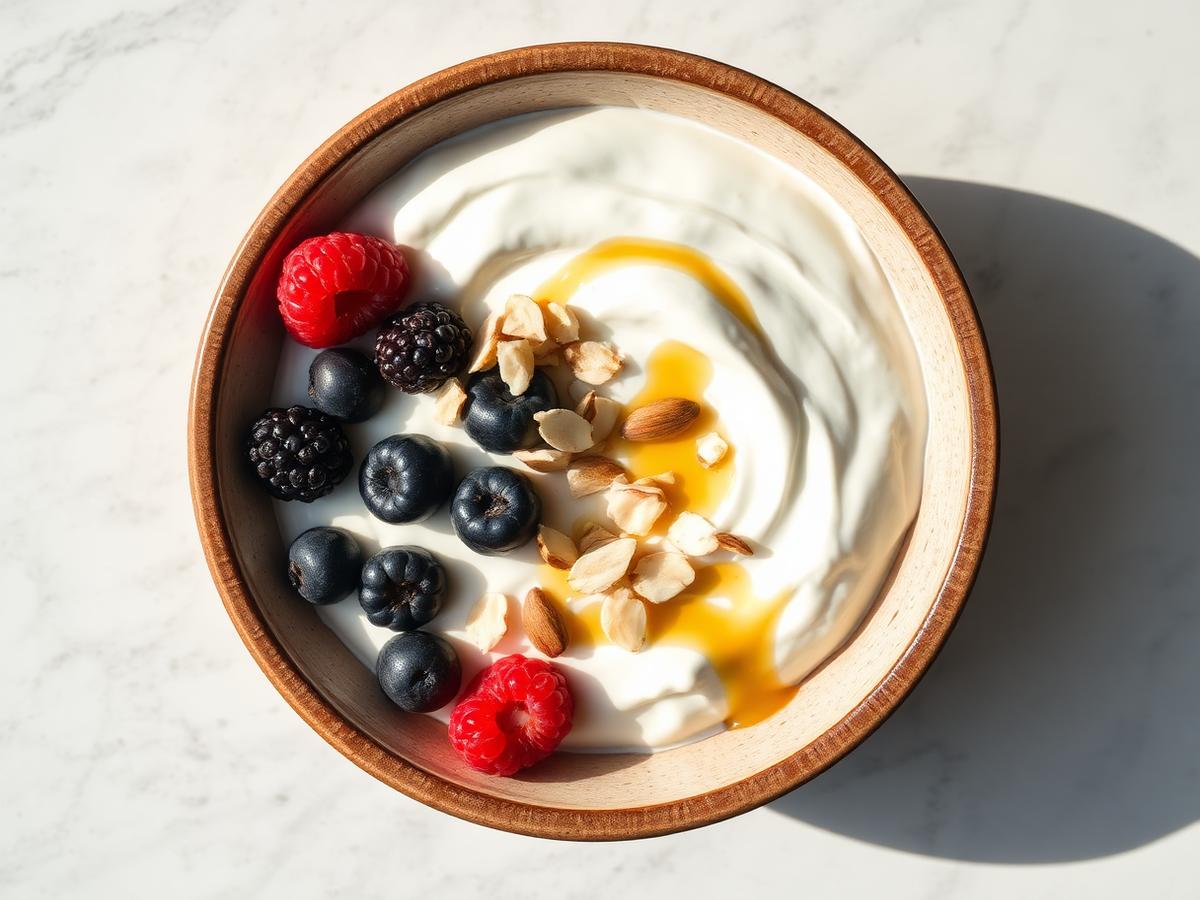
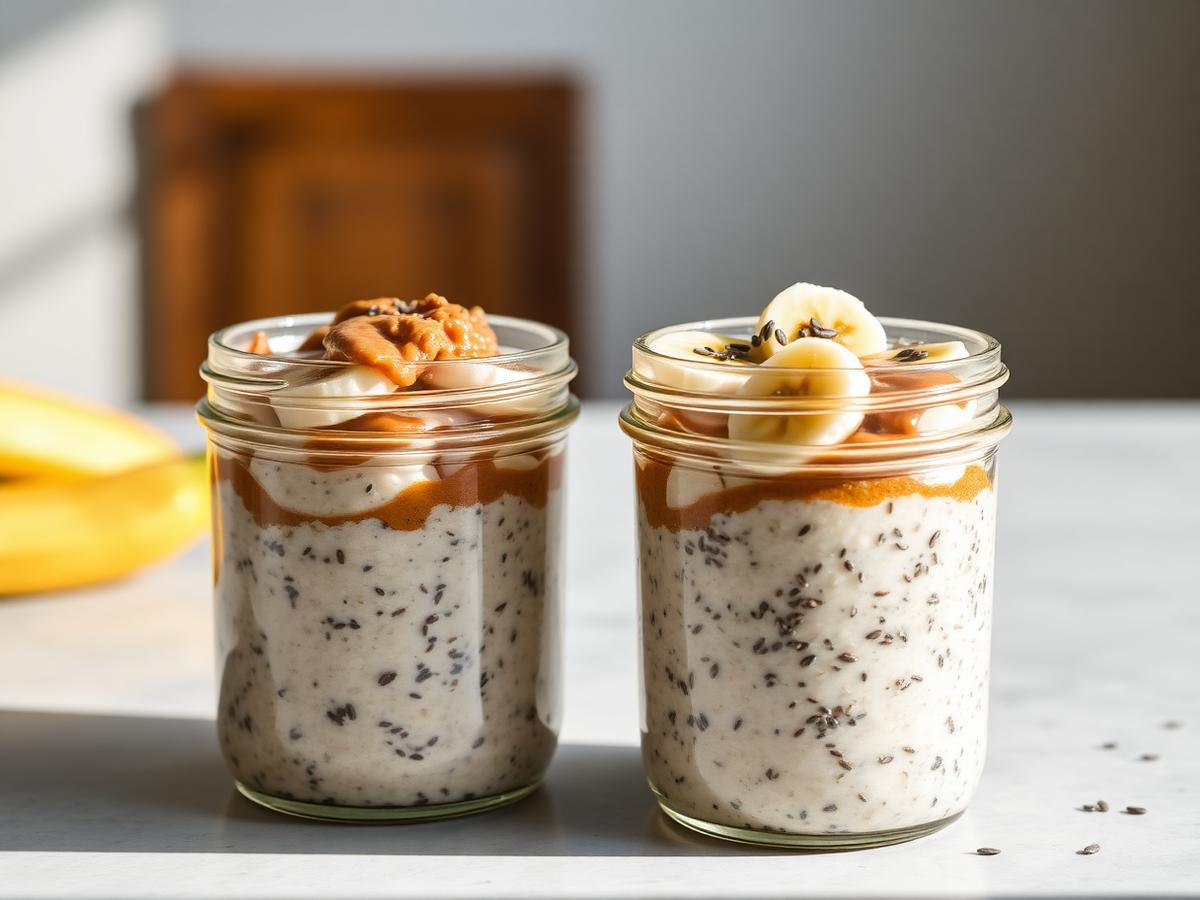
Pick one of three: Greek yogurt bowl, protein overnight oats, or turkey egg muffins. Eat it every weekday. Reassess on Sunday.
Week two: add a protein anchor to lunch
Lunch is where most people fall to 15 grams and then wonder why the afternoon is difficult.
You do not need a new recipe. You need a protein anchor added to whatever you already eat. A can of tuna into the salad. Rotisserie chicken into the wrap. A cup of cottage cheese alongside the soup.
By the end of week two you should be at roughly 70 grams before dinner, which makes hitting the daily target nearly automatic.
Do you need supplements?
Protein powder is food in a convenient form. It is useful, not magical, and it is optional. If you can hit your target with whole foods, do that.
Whey isolate and concentrate are both fine for most people. Plant blends combining pea and rice protein deliver a comparable amino acid profile. Choose based on digestion and taste, not marketing.
Creatine, BCAAs, and the rest of the supplement wall are a separate conversation and largely irrelevant until your total protein and training are consistent for several months.
Eating out without derailing
Restaurants are easy once you know what to look for. Order the protein you want first, then choose sides around it, and ask for sauces on the side when they are the calorie driver.
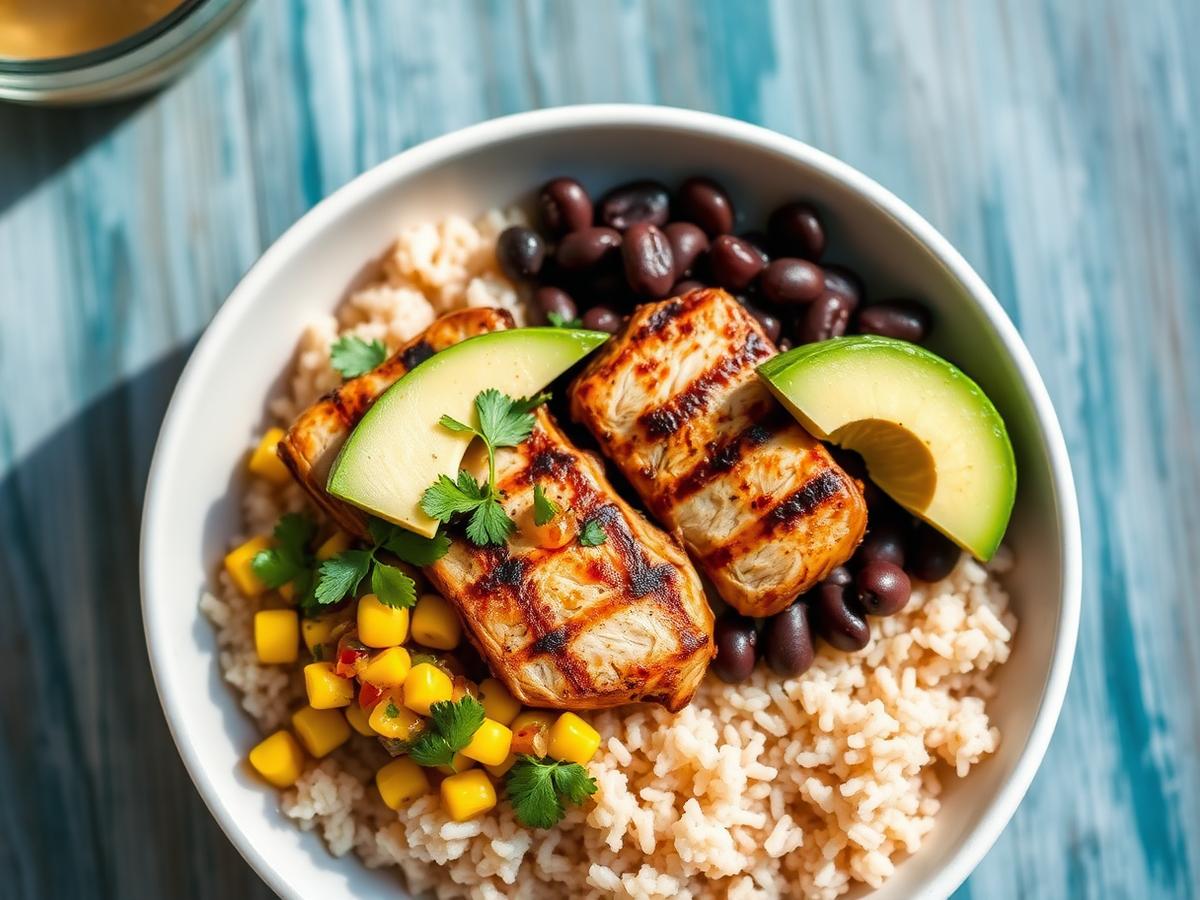
Reliable options across most American restaurants: grilled chicken or steak with a double vegetable side, burrito bowls with double meat, sushi with edamame, and any breakfast plate built on eggs.
One restaurant meal changes nothing about your progress. Eating out four times a week without a strategy does.
How to make it stick past week three
Consistency comes from removing decisions, not from adding discipline. A fixed breakfast, a rotation of four lunches, and a two-hour Sunday prep session cover the vast majority of the work.
Track your protein for two weeks to calibrate your eye, then stop tracking and check in occasionally. Permanent tracking is unnecessary for most people and quietly corrosive for some.
Expect imperfect weeks. The goal is a high average across a month, not a perfect log. Someone eating 140 grams five days a week for a year will be far ahead of someone who hit 180 perfectly for three weeks and quit.
A note on health claims
The information on this site is general nutrition education. It is not medical advice and it is not intended to diagnose, treat, cure, or prevent any disease.
If you are pregnant, managing a chronic condition, taking medication that interacts with diet, or have a history of disordered eating, work with your physician or a registered dietitian before making significant changes.
Frequently asked questions
Sources & further reading
About the author
Jenna Ruiz, RDN — Jenna is a California-based registered dietitian nutritionist and recipe developer. She spent eight years in clinical nutrition before founding Protein Plate Co. to make high protein cooking practical for people with real schedules.