Best High Protein Foods You Should Always Keep in Your Kitchen
By Jenna Ruiz, RDN · 3 min read · Updated July 2, 2026
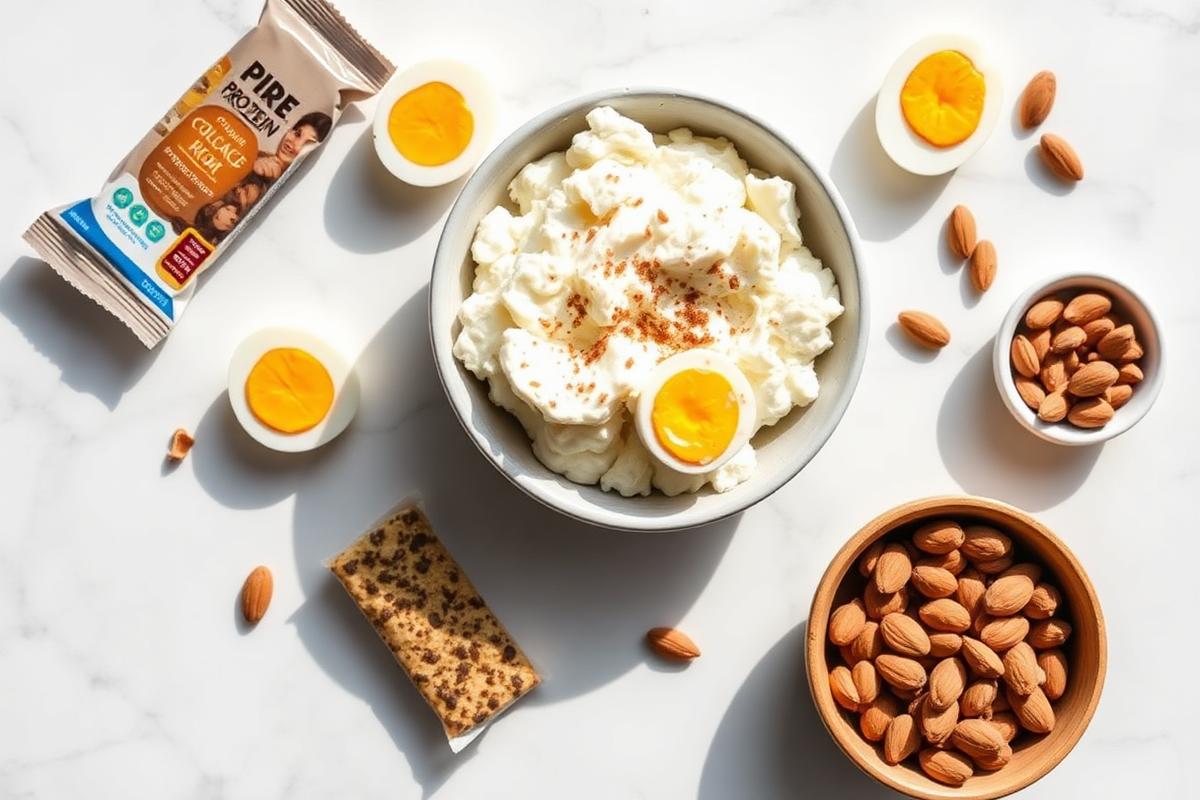
The refrigerator staples
These five items appear in more than half the recipes on this site. If your refrigerator has them, you are ten minutes from a high protein meal at any hour.
- Eggs — 6g each, endlessly flexible, cheapest protein in the store
- Nonfat Greek yogurt — 20g per cup, works sweet or savory
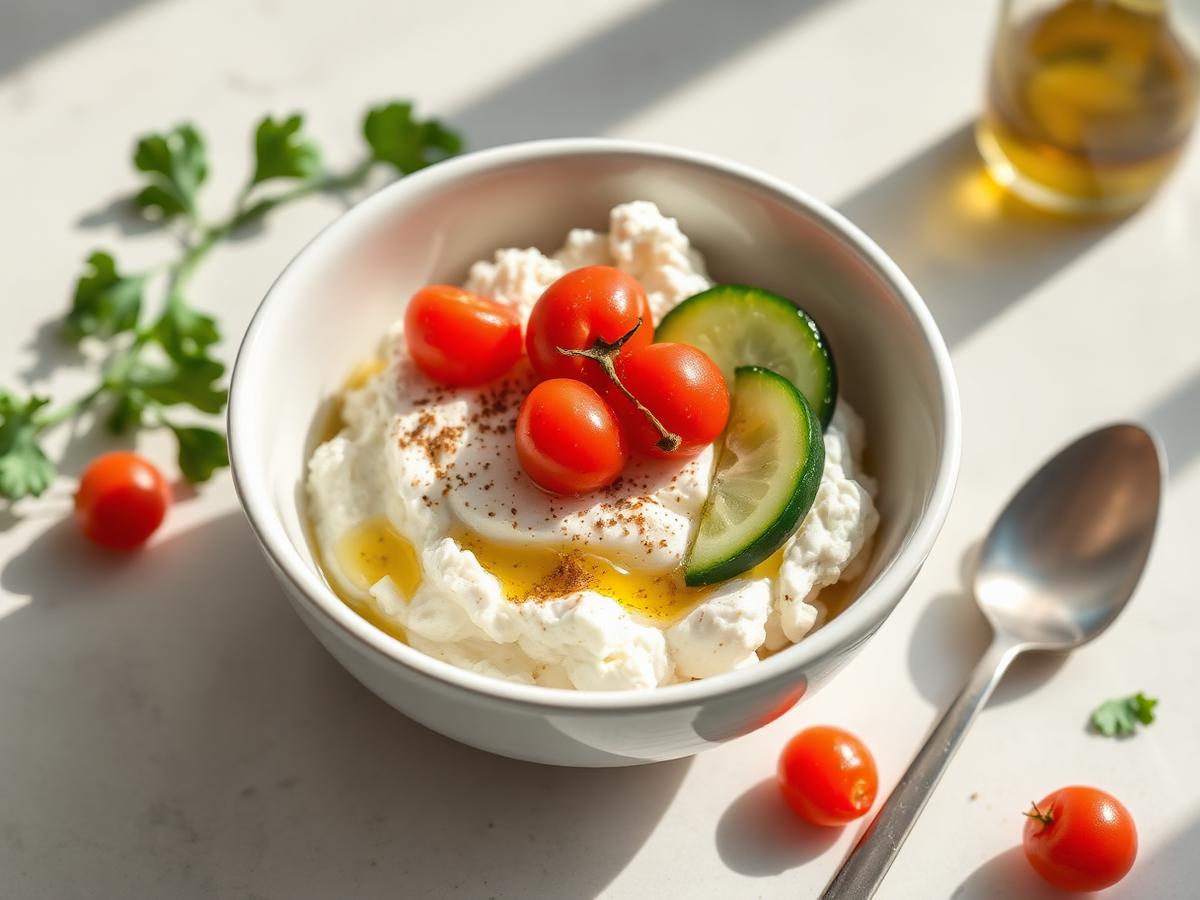
- Cottage cheese — 25g per cup, blends into sauces and desserts
- Chicken breast or thighs — 23g per 100g raw
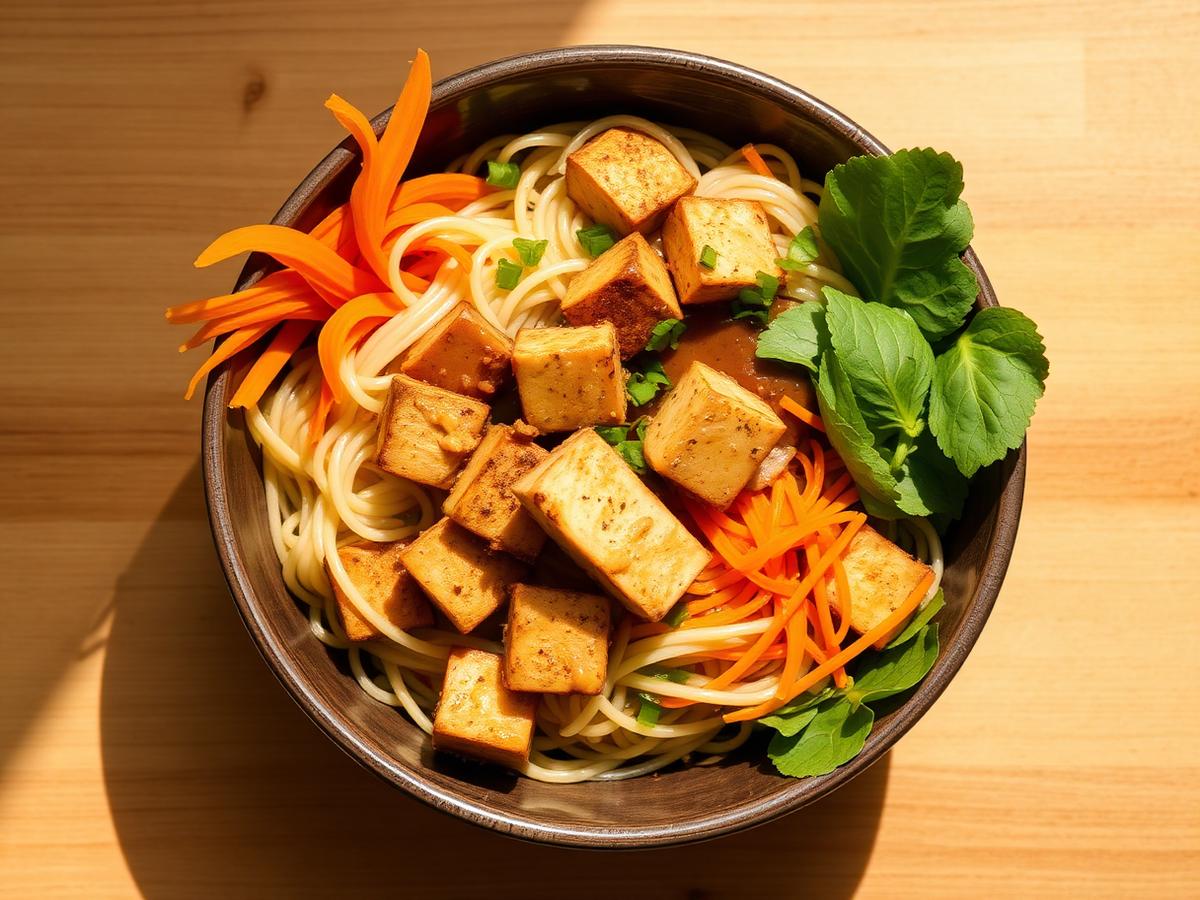
- Extra-firm tofu — 17g per half block, keeps for weeks unopened
The freezer staples
The freezer is the most underrated tool in high protein cooking. Frozen protein removes the two biggest weeknight failure points: forgetting to shop and forgetting to thaw.
- Frozen shrimp — thaws in ten minutes under cold water, cooks in three
- Individually frozen chicken breasts
- Frozen salmon portions, often better quality than the thawed fish counter
- Ground turkey or beef, portioned into one-pound bags
- Edamame — 18g per cup shelled
- Frozen berries for smoothies and yogurt bowls
The pantry staples
Shelf-stable protein is what saves the week when the shopping did not happen.
- Canned tuna and salmon — 22g to 25g per can
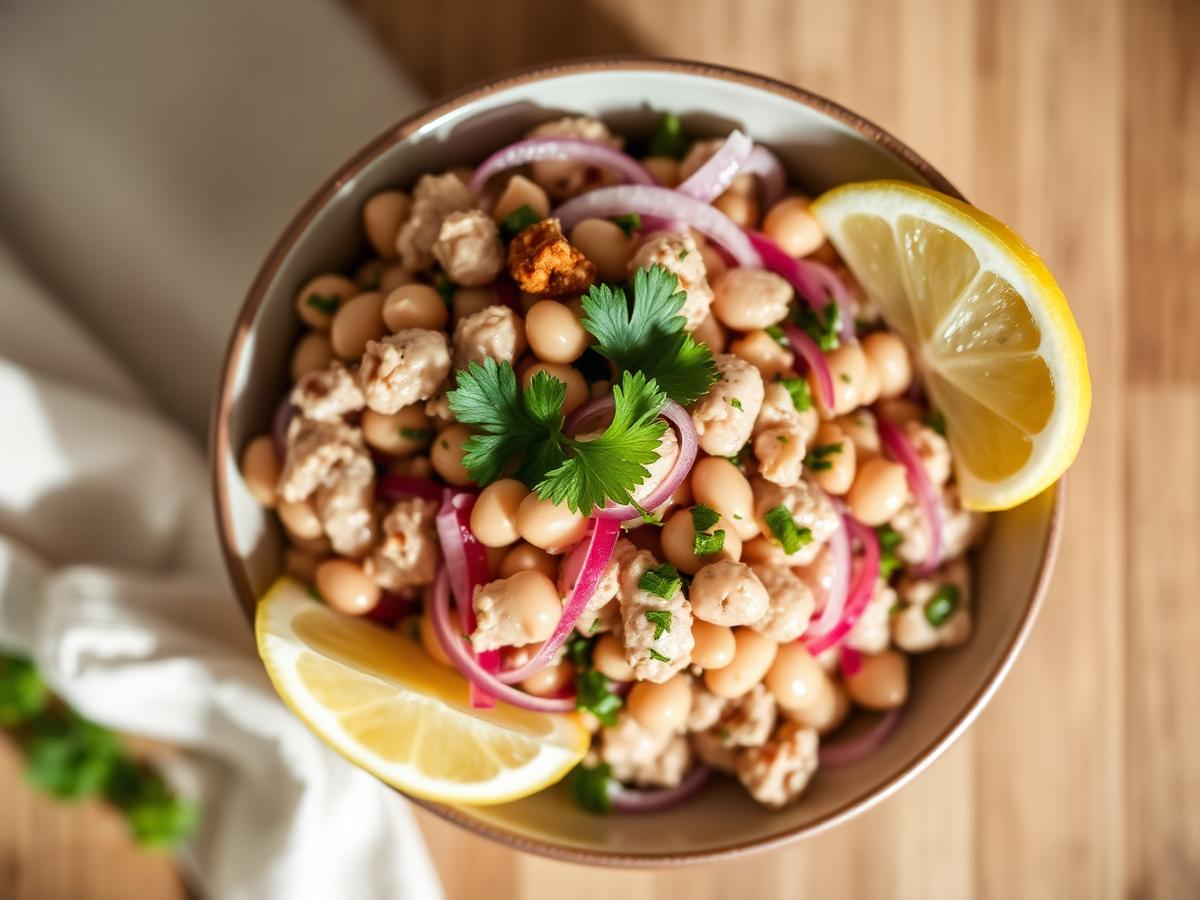
- Canned beans and lentils — 15g per cup plus significant fiber
- Chickpea or lentil pasta — 25g per serving, four times regular pasta
- Protein powder, whey or plant — 24g per scoop
- Powdered peanut butter — 6g per two tablespoons at a quarter of the fat
- Rolled oats — 5g per half cup, the base for a dozen breakfasts
- Nuts and seeds, especially hemp and pumpkin seeds
Protein per dollar: what is actually cheap
Protein has a reputation for being expensive. Some of it is. Most of the best sources are not.
Ranked by cost per 20 grams of protein at typical California grocery prices: eggs and canned beans are cheapest, followed by cottage cheese, chicken thighs, canned tuna, ground turkey, Greek yogurt, chicken breast, and then a large gap before steak and fresh seafood.
If budget is the constraint, build the base of your week on eggs, beans, cottage cheese, and thighs, then use more expensive proteins as the occasional feature rather than the default.
What to skip
Protein cookies, most protein cereals, and protein coffee creamers deliver small amounts of protein at a large price premium. They are convenience products, not nutrition products.
Flavored yogurts are worth a second look at the label. Many contain 20 or more grams of added sugar and less protein than the plain version of the same brand.
Deli meats vary enormously. Look for options with short ingredient lists and under 500 milligrams of sodium per serving if you eat them often.
A one-page shopping list
Print this and you have covered eighty percent of the recipes on this site.
- Two dozen eggs, large tub of Greek yogurt, cottage cheese, shredded cheese
- Three pounds chicken, one pound ground turkey, one pound lean ground beef
- Frozen shrimp, frozen salmon, frozen mixed vegetables, frozen berries
- Canned tuna, black beans, cannellini beans, crushed tomatoes
- Rice, oats, chickpea pasta, whole grain tortillas
- Broccoli, peppers, onions, spinach, cucumbers, cherry tomatoes
- Olive oil, soy sauce, taco seasoning, garlic, lemons and limes
Frequently asked questions
Sources & further reading
About the author
Jenna Ruiz, RDN — Jenna is a California-based registered dietitian nutritionist and recipe developer. She spent eight years in clinical nutrition before founding Protein Plate Co. to make high protein cooking practical for people with real schedules.