High Protein Vegetarian Meals That Actually Fill You Up
By Jenna Ruiz, RDN · 3 min read · Updated July 22, 2026
The vegetarian protein problem, honestly stated
The problem is not that plants lack protein. It is that most plant foods deliver protein alongside a lot of carbohydrate, which means the portions required to hit 35 grams are larger than people expect.
A cup of cooked lentils has 18 grams of protein and 40 grams of carbohydrate. A cup of black beans is similar. That is a perfectly good food, but two cups of beans is a big plate to arrive at 36 grams of protein.
The fix is to lead with the concentrated plant proteins — tofu, tempeh, seitan, edamame, high-protein pasta, Greek yogurt and cottage cheese if you eat dairy — and to use beans and grains as supporting players rather than the main event.
The concentrated plant protein anchors
These are the foods that let a vegetarian meal reach 30 grams without becoming enormous. Learn the numbers once and the planning gets easy.
- Extra-firm tofu, 6 oz — 24g protein, 180 calories
- Tempeh, 4 oz — 22g
- Seitan, 3 oz — 21g
- Edamame, shelled, 1 cup — 18g
- Chickpea or lentil pasta, 2 oz dry — 14g to 24g depending on brand
- Greek yogurt, 1 cup nonfat — 23g
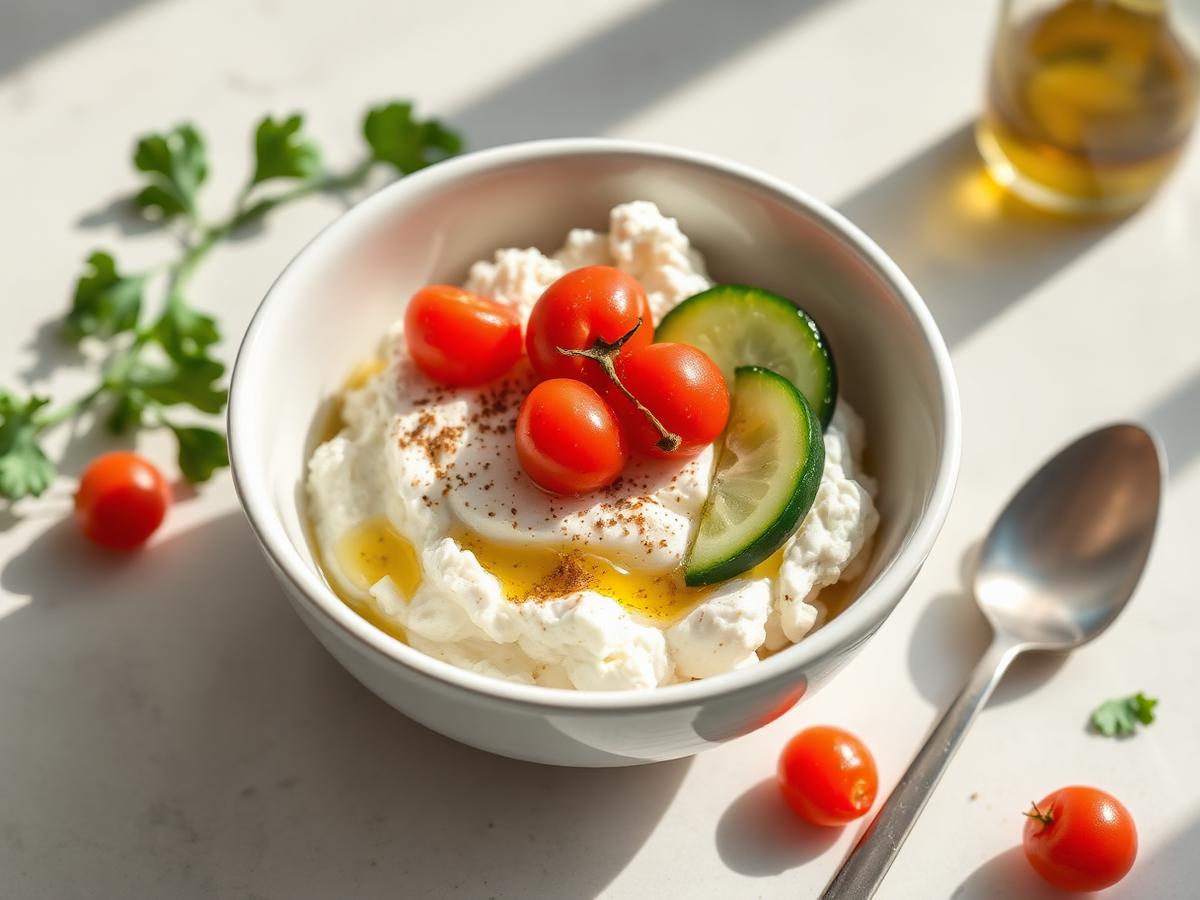
- Cottage cheese, 1 cup — 25g
- Eggs, 3 large — 18g
- Hemp hearts, 3 tbsp — 10g
- Nutritional yeast, 1/4 cup — 8g
Complete protein and why it is mostly a non-issue
The old advice about carefully combining beans and rice at the same meal to form a complete protein has been quietly retired. Your body maintains a pool of amino acids and draws on it across the day, so combining within a single sitting is unnecessary.
What does still matter is lysine, the amino acid most likely to be limiting in a grain-heavy vegetarian diet. Legumes, soy, quinoa, and dairy are all lysine-rich. If a legume or soy food appears somewhere in your day, this concern effectively disappears.
The second consideration is leucine, the trigger for muscle protein synthesis. Soy and dairy are the strongest plant-adjacent sources. If you lift weights and eat vegetarian, keeping soy in the rotation is the single highest-value habit.
Twelve vegetarian meals over 25 grams
Each of these is a full meal rather than a component, and each has been built to land above 25 grams of protein without requiring a heroic portion size.
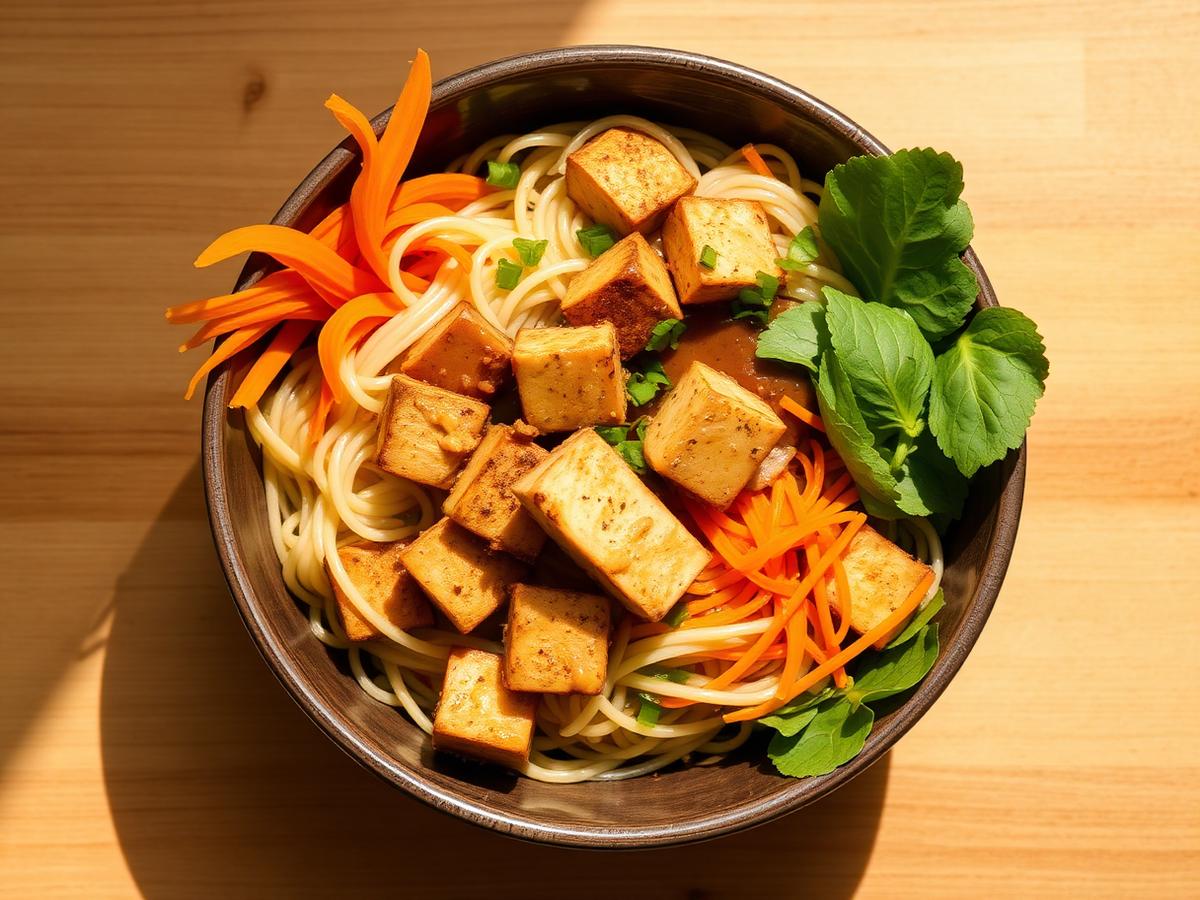
- Tofu peanut noodle bowl with edamame — 31g
- Chickpea pasta with ricotta, spinach, and lemon — 34g
- Black bean and cottage cheese enchilada bake — 30g
- Tempeh sheet pan with sweet potato and broccoli — 28g
- Greek yogurt and chickpea shawarma bowl — 32g
- Halloumi, lentil, and roasted pepper salad — 29g
- Seitan stir fry with cashews and snap peas — 36g
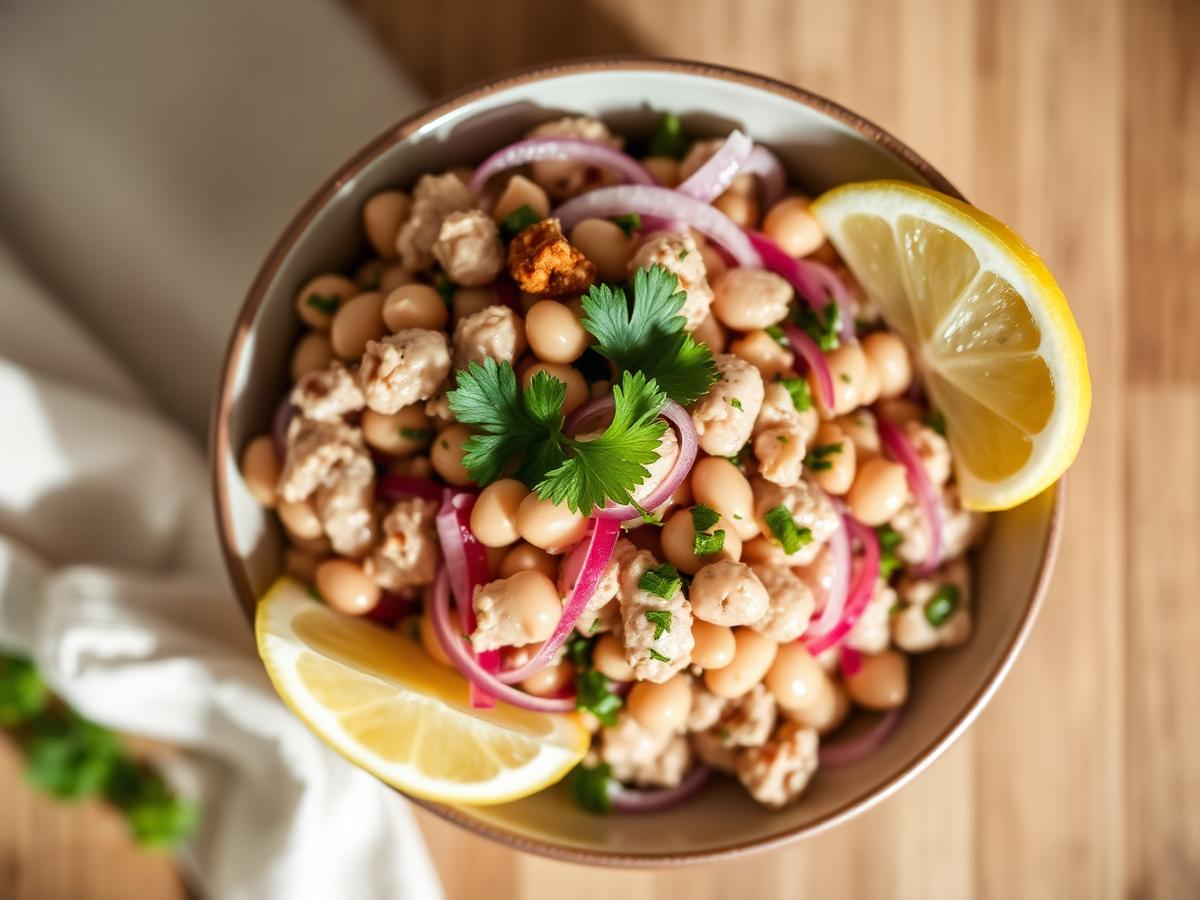
- Shakshuka with white beans and feta — 26g
- Crispy tofu banh mi bowl with pickled vegetables — 27g
- High-protein mac and cheese with cottage cheese sauce — 33g
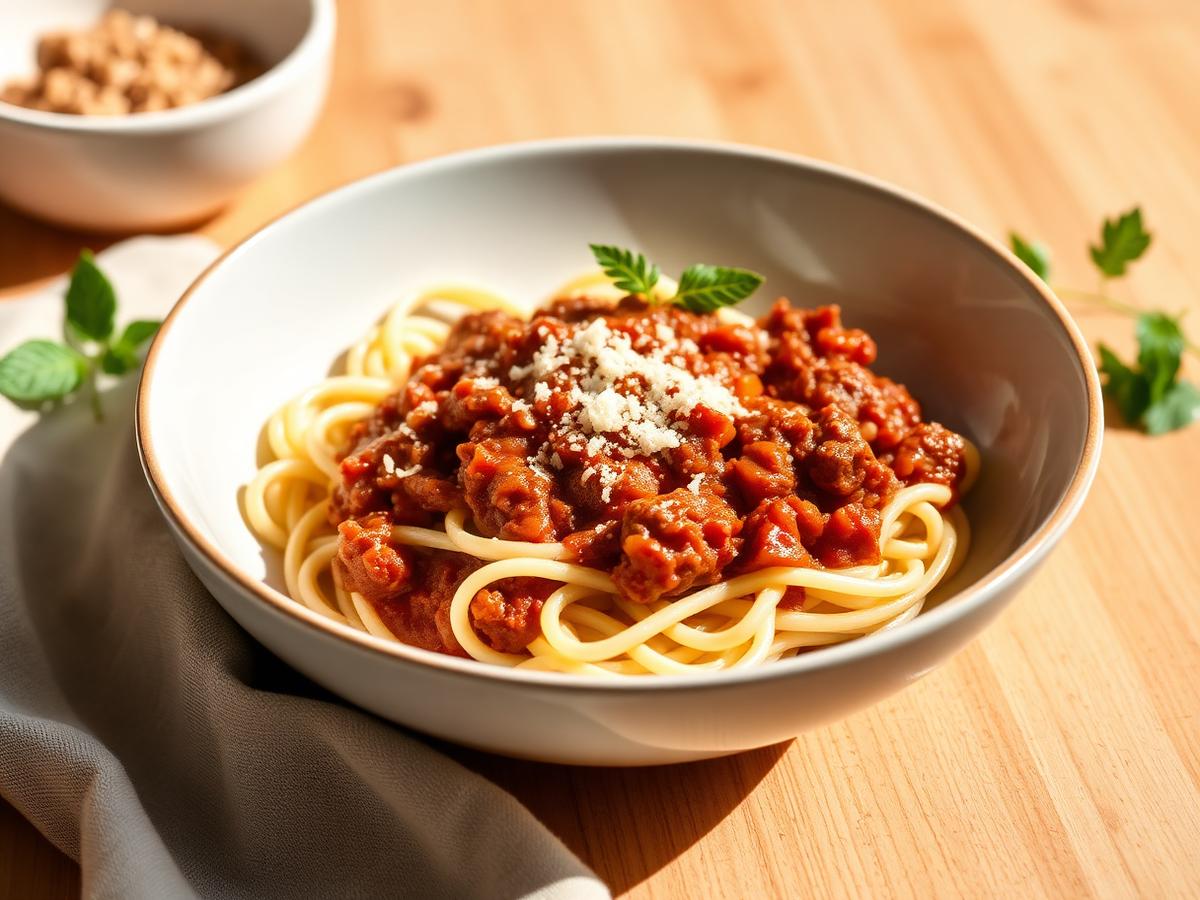
- Lentil bolognese over lentil pasta — 35g
- Paneer tikka with yogurt raita and quinoa — 34g
How to make tofu that people want to eat
Most bad tofu is wet tofu. Press extra-firm tofu for at least fifteen minutes under something heavy, or freeze and thaw it first, which changes the texture into something noticeably chewier and better at absorbing marinade.
Toss the pressed cubes with a tablespoon of cornstarch and a little salt before cooking. The starch forms a thin shell that crisps in a hot pan, an air fryer at 400°F for 15 minutes, or an oven at 425°F for 25 minutes.
Sauce goes on after cooking, not before. Sugar in a marinade burns before the tofu browns. Crisp first, glaze at the end, serve immediately.
Nutrients to watch beyond protein
Iron from plants is non-heme iron, which is absorbed less efficiently. Pairing beans, lentils, and leafy greens with a vitamin C source — citrus, peppers, tomatoes — meaningfully improves absorption.
Vitamin B12 is not reliably available from plant foods. Vegetarians who eat dairy and eggs usually get enough; vegans should supplement or rely on fortified foods. This is not a preference question, it is a genuine deficiency risk.
Zinc, iodine, omega-3 fats, and calcium round out the list worth thinking about. Hemp, chia, flax, and walnuts cover omega-3s partially; an algae-based supplement covers them fully.
None of this makes vegetarian eating hard. It just means the plan should be deliberate rather than assumed, the same way a high protein omnivore diet needs deliberate fiber.
Frequently asked questions
Sources & further reading
About the author
Jenna Ruiz, RDN — Jenna is a California-based registered dietitian nutritionist and recipe developer. She spent eight years in clinical nutrition before founding Protein Plate Co. to make high protein cooking practical for people with real schedules.