Protein for Women Over 40: What Changes and What to Do
By Jenna Ruiz, RDN · 3 min read · Updated July 29, 2026

What actually changes after 40
Two things happen at once, and they compound. Adults begin losing muscle mass gradually from around age 30, at roughly three to eight percent per decade, and the rate increases after 60. At the same time, the muscle-building response to a given amount of protein becomes less efficient — a phenomenon researchers call anabolic resistance.
For women, the perimenopausal transition adds another layer. Declining estrogen is associated with loss of both muscle and bone density, shifts in where body fat is stored, and changes in recovery from exercise.
The practical consequence is that a protein intake that was perfectly adequate at 30 may no longer be adequate at 50, even with identical body weight and activity. The same input produces a smaller result, so the input has to increase.
This is not a story about inevitable decline. Muscle and bone respond to loading and to nutrition at every age studied, including in people well into their eighties. It is a story about needing to be deliberate where you previously could coast.
How much protein to target
The RDA of 0.8 grams per kilogram is widely considered too low for older adults. Most researchers working in this area suggest at least 1.2 grams per kilogram for adults over 50, and 1.6 or higher for those doing resistance training.
In pounds, that is roughly 0.55 to 0.75 grams per pound of body weight. A 150 pound woman lands somewhere between 82 and 112 grams a day, with the upper end appropriate if she is lifting weights or actively losing weight.
Per-meal dosing matters more with age than it does at 25. Because of anabolic resistance, the threshold to trigger muscle protein synthesis rises — closer to 35 to 40 grams per meal rather than 25. Three meals at 35 grams beats six snacks at 17.
- Sedentary, over 40: 1.2 g/kg (about 0.55 g/lb)
- Regular resistance training: 1.6 g/kg (about 0.73 g/lb)
- Losing weight while training: 1.8 to 2.0 g/kg
- Per meal: aim for 35 to 40 grams at three main meals
Protein is not the whole picture
Resistance training is the other half and cannot be substituted. Protein without loading maintains far less muscle than protein with loading. Two to three sessions a week covering the major movement patterns is enough to change the trajectory.
Calcium and vitamin D matter for bone, and bone and muscle decline together. Dairy is convenient because it delivers protein and calcium in the same food; fortified soy milk does the same for those avoiding dairy.
Fiber deserves attention too. High protein eating can crowd out plants if you are not paying attention, and gut health, cholesterol, and satiety all depend on getting 25 to 30 grams of fiber a day.
Sleep and stress are not lifestyle garnish here. Both directly affect recovery, appetite regulation, and how well the body responds to training. Perimenopausal sleep disruption is common and worth raising with a physician rather than absorbing.
A day that hits 110 grams
Here is a concrete structure. It is unremarkable food, which is the point — sustainable eating rarely looks impressive on paper.
Breakfast: one cup of Greek yogurt with berries and two tablespoons of hemp hearts, or a three-egg scramble with cottage cheese on the side. About 35 grams.
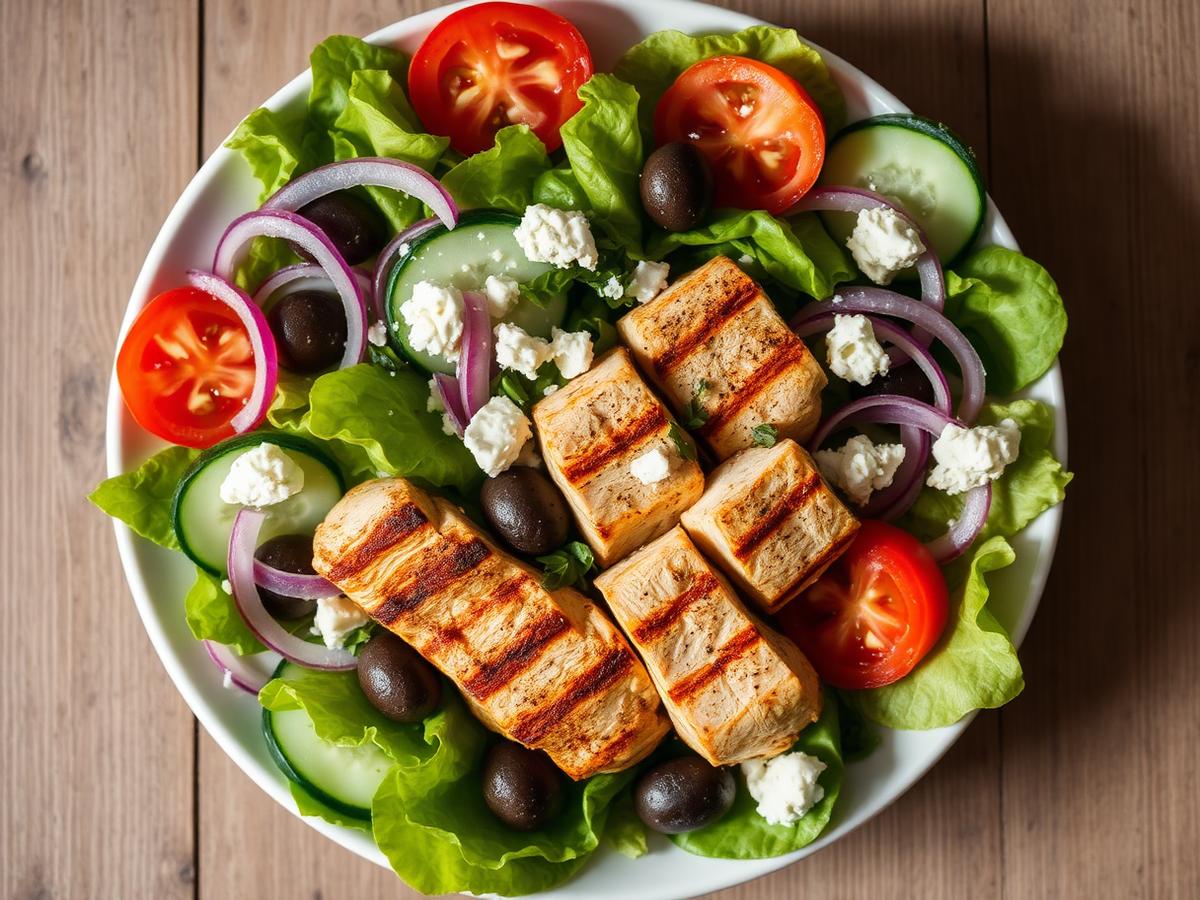
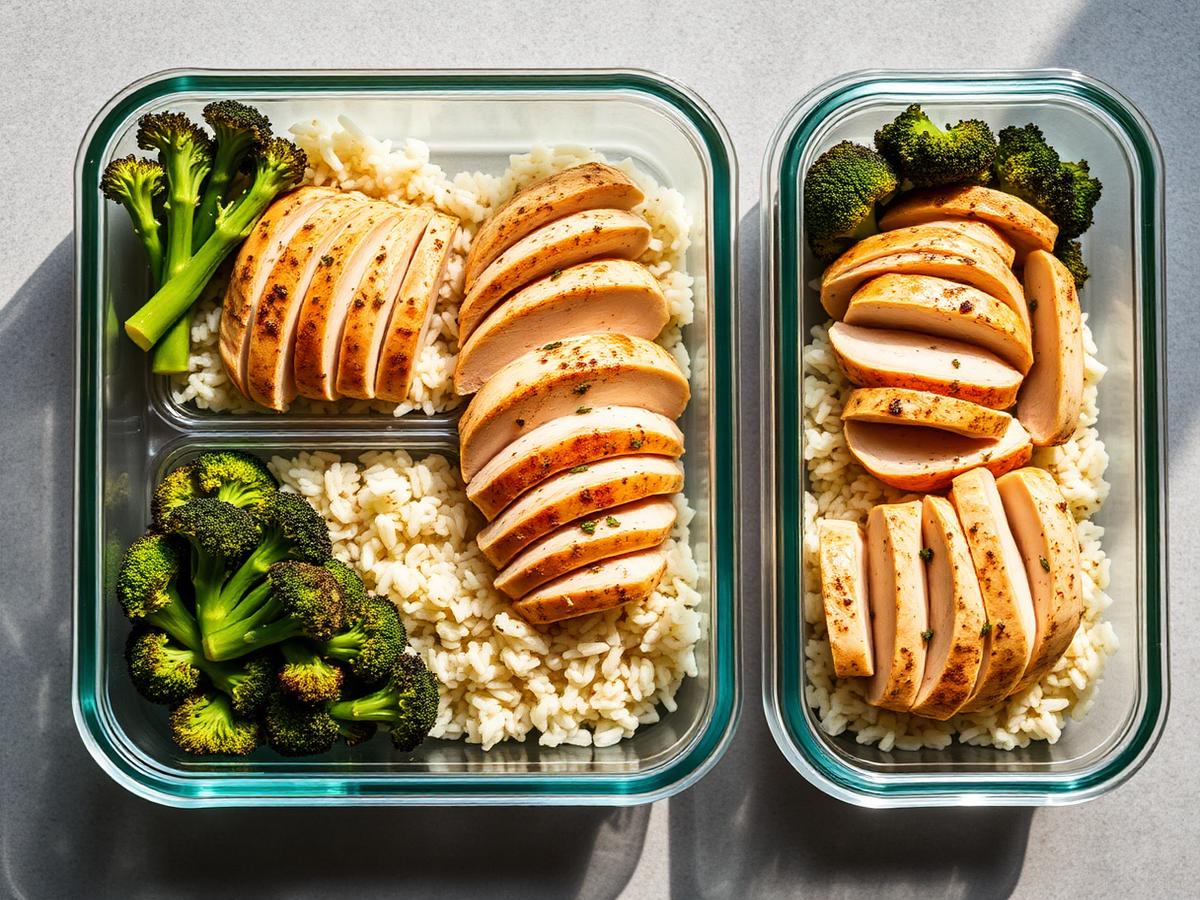
Lunch: a bowl with 5 ounces of roasted chicken, quinoa, roasted vegetables, and tahini. About 40 grams.
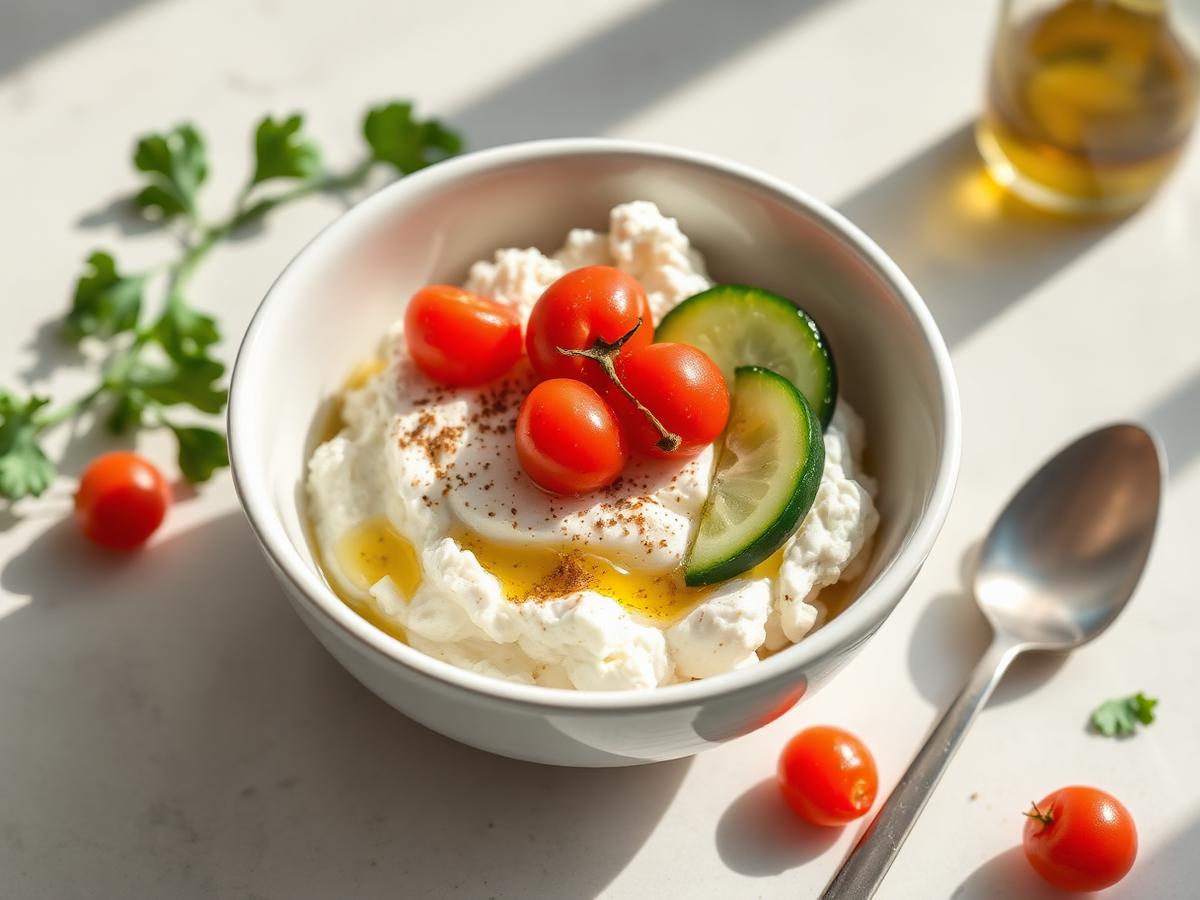
Snack: cottage cheese with fruit, a small tin of sardines on crackers, or a shake if the day got away from you. About 20 grams.
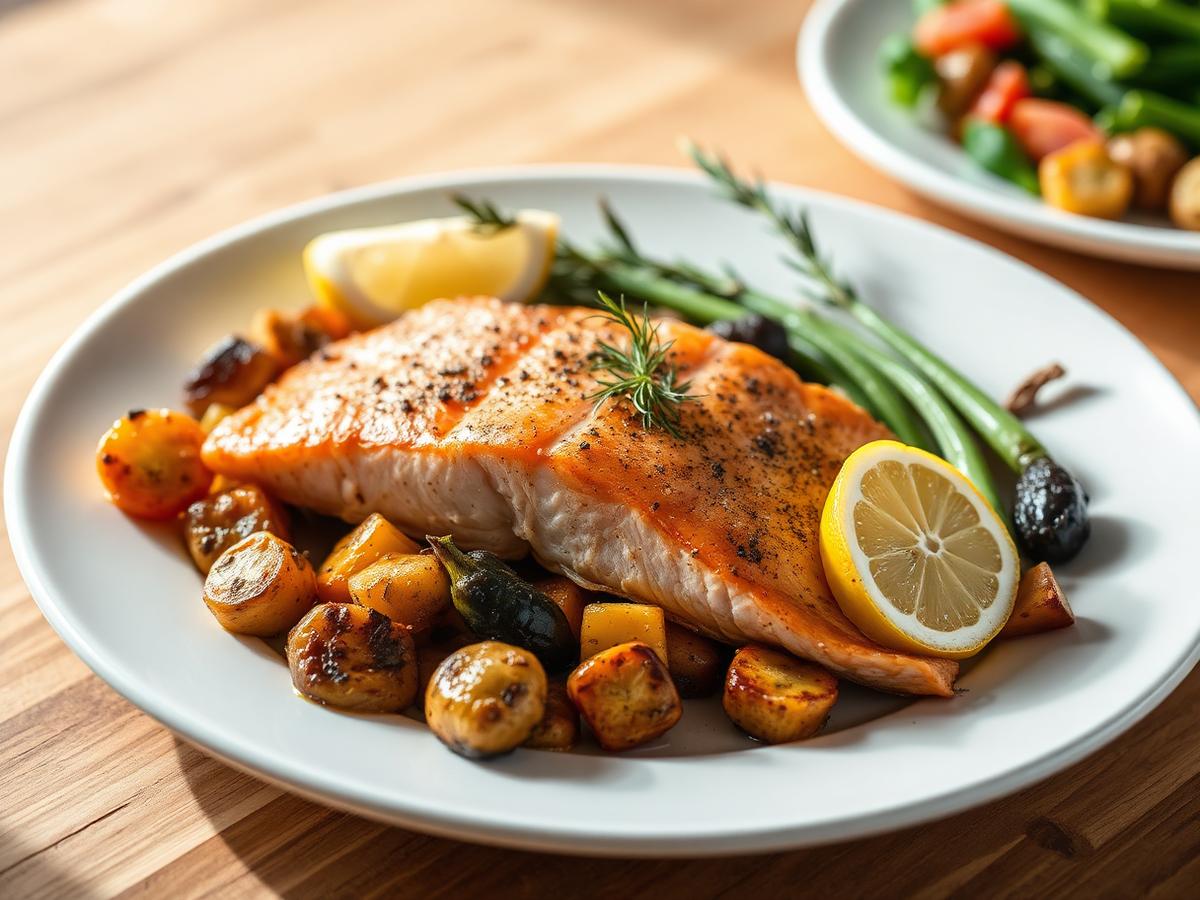
Dinner: 5 ounces of salmon with white beans and a big salad. About 40 grams. That totals roughly 135 grams, so trim portions if your target is lower.
Common obstacles and honest fixes
Appetite is the most frequent one. Many women find that 110 grams feels like an enormous amount of food. The fix is density rather than volume: Greek yogurt instead of regular, cottage cheese instead of cheese slices, and a scoop of powder blended into something you were already going to eat.
Breakfast is usually where the day is lost. A coffee-and-toast morning means the remaining meals have to carry 110 grams between them, which rarely happens. Fixing breakfast alone often closes half the gap.
Cooking for a household with different needs is the third obstacle. Deconstructed meals solve it: cook the protein separately and let everyone build their own plate from shared components.
Finally, this is general education rather than individual advice. Kidney disease, certain medications, and specific medical conditions change protein recommendations meaningfully, and those conversations belong with your physician or a registered dietitian.
Frequently asked questions
Sources & further reading
About the author
Jenna Ruiz, RDN — Jenna is a California-based registered dietitian nutritionist and recipe developer. She spent eight years in clinical nutrition before founding Protein Plate Co. to make high protein cooking practical for people with real schedules.