High Protein Meals for Weight Loss: What Actually Works
By Jenna Ruiz, RDN · 3 min read · Updated July 22, 2026
What protein actually does in a calorie deficit
Fat loss requires a calorie deficit. Protein does not change that arithmetic. What it changes is how the deficit feels and what tissue you lose while you are in it.
Three mechanisms matter. Protein is the most satiating macronutrient, so the same calories keep you fuller. It has the highest thermic effect, meaning your body spends roughly 20 to 30 percent of its energy just processing it. And adequate protein plus resistance training preserves lean mass, so more of what you lose is fat.
That third point is the one people miss. Two people can lose the same fifteen pounds and end up in completely different places depending on whether five of those pounds were muscle.
How much protein during fat loss
Protein needs go up, not down, when calories go down. The commonly cited range for preserving muscle in a deficit is 1.6 to 2.4 grams per kilogram of goal body weight.
In practical terms, a person targeting 160 pounds would eat roughly 130 to 170 grams of protein per day. At four calories per gram, that is 520 to 680 calories from protein, leaving plenty of room for carbohydrates and fat within a 1,600 to 1,900 calorie budget.
The leaner you get, the more this matters. At higher body fat levels the body is more willing to use its own fat stores; as you get leaner it becomes more willing to break down muscle instead.
A full day at roughly 1,750 calories and 155g protein
This is a realistic day, not a spreadsheet fantasy. It includes a snack and a dessert.
- Breakfast: Greek yogurt protein bowl — 410 cal, 34g protein
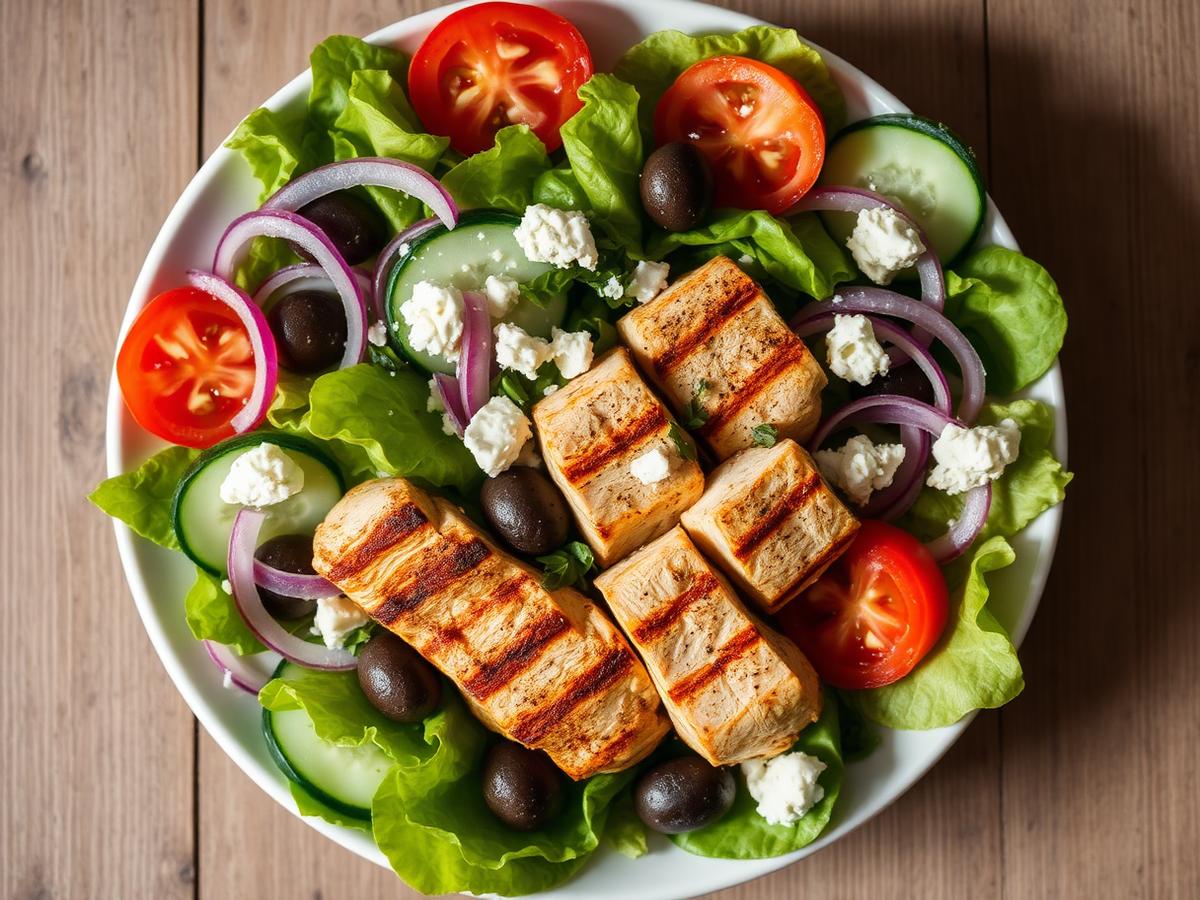
- Lunch: Greek chicken salad — 420 cal, 45g protein
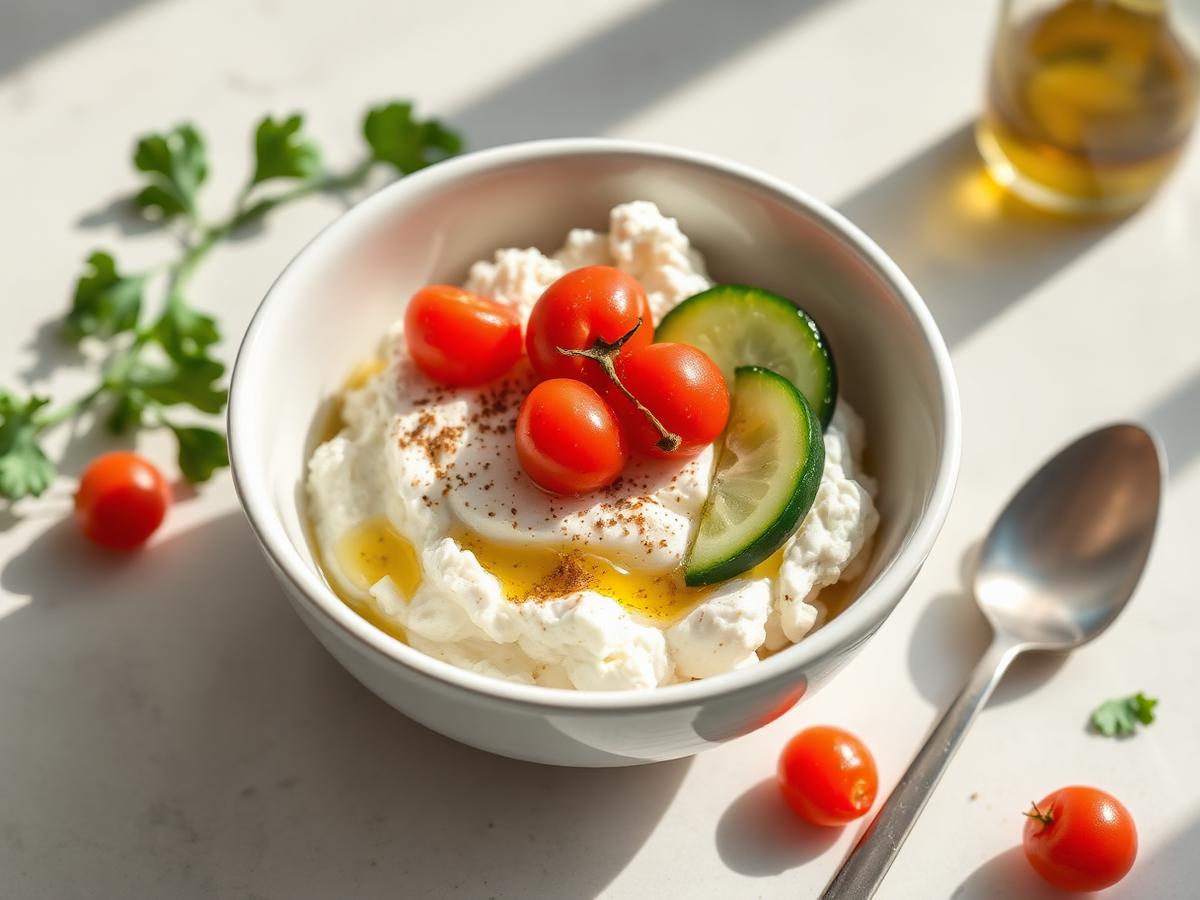
- Snack: cottage cheese bowl — 260 cal, 31g protein
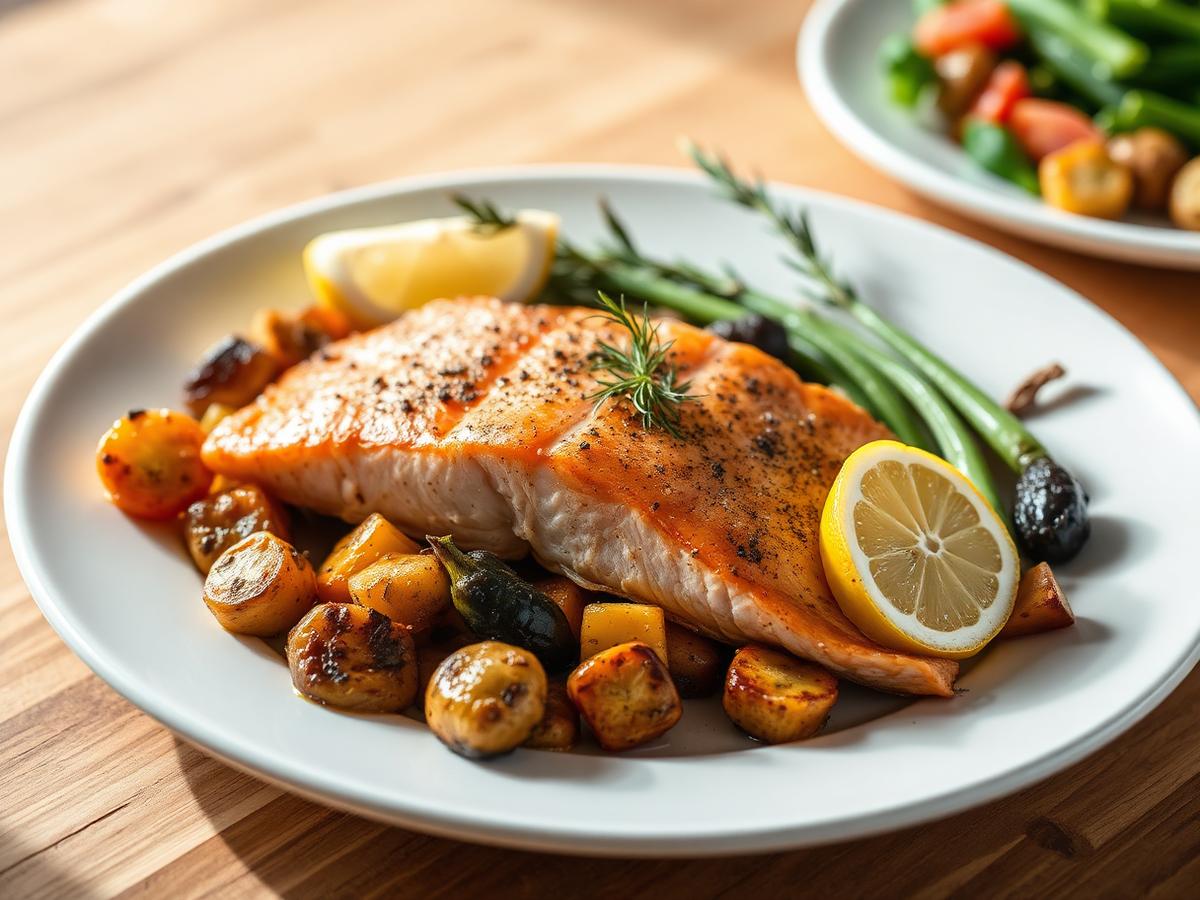
- Dinner: sheet pan salmon with vegetables — 430 cal, 42g protein
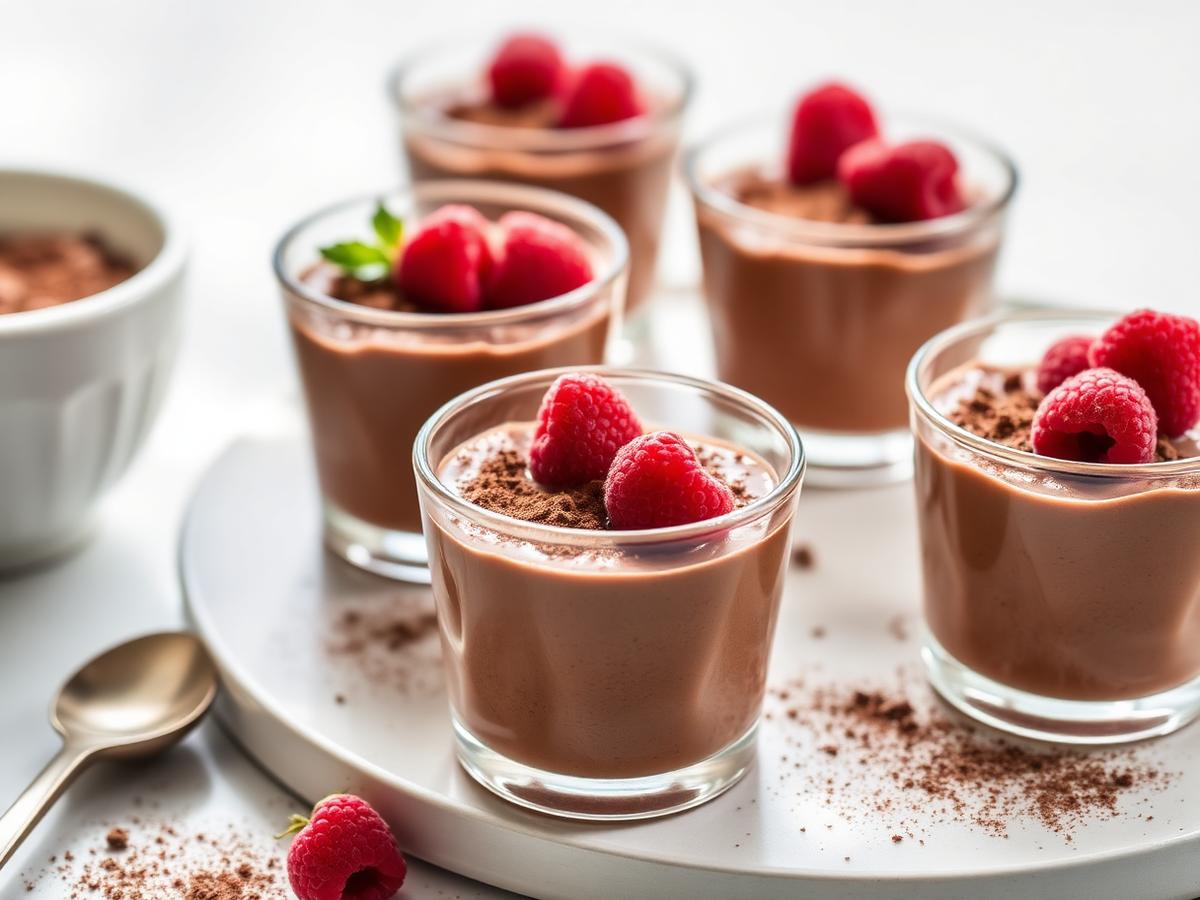
- Dessert: chocolate protein mousse — 230 cal, 26g protein
- Total: about 1,750 calories and 178g protein
Volume eating: the underrated technique
Fullness is partly physical. Stretch receptors in the stomach send satiety signals based on volume, not calories, which is why a large salad feels more substantial than a small handful of nuts with identical calories.
The highest-volume, highest-protein foods are the ones to build around: egg whites, shrimp, white fish, chicken breast, nonfat Greek yogurt, cottage cheese, and any lean protein served over a large base of vegetables.
Practical move: double the vegetables in any recipe on this site. It costs about 60 calories and adds noticeably to how full the plate feels.
Mistakes that stall progress
Cutting calories too aggressively is the most common. A deficit of 500 calories per day is sustainable. A deficit of 1,200 is a two-week project followed by a rebound.
Drinking calories is second. Lattes, juices, and alcohol are easy to consume and do essentially nothing for fullness.
Third, and most fixable, is under-eating protein while over-restricting everything else. If your day is 1,400 calories and 70 grams of protein, you have chosen the hardest possible version of this.
Sustainability beats optimization
The best fat loss plan is the one you can run for six months without hating your life. That usually means a moderate deficit, high protein, foods you actually like, and enough flexibility to eat at a restaurant occasionally.
Weigh yourself on a consistent schedule and look at weekly averages rather than daily numbers. Water weight swings of three or four pounds are normal and mean nothing.
If you have a medical condition, take medication that affects appetite or metabolism, or have a history of disordered eating, work with a qualified professional. This article is general education and not a substitute for individualized care.
Frequently asked questions
Sources & further reading
About the author
Jenna Ruiz, RDN — Jenna is a California-based registered dietitian nutritionist and recipe developer. She spent eight years in clinical nutrition before founding Protein Plate Co. to make high protein cooking practical for people with real schedules.