15 High Protein Snacks That Actually Keep You Full
By Jenna Ruiz, RDN · 3 min read · Updated June 28, 2026
The protein and fiber pairing rule
Fullness is not about calories. A 300-calorie muffin disappears from your stomach far faster than a 200-calorie serving of cottage cheese with berries.
The most reliable formula we have found is 15 grams of protein plus 4 grams of fiber. Protein triggers satiety hormones, fiber slows gastric emptying, and together they extend fullness by hours rather than minutes.
Apply the rule to any snack you already like. Apple alone fails. Apple with a cheese stick and almonds passes.
Fifteen snacks that pass the test
Every option below hits at least 15 grams of protein.
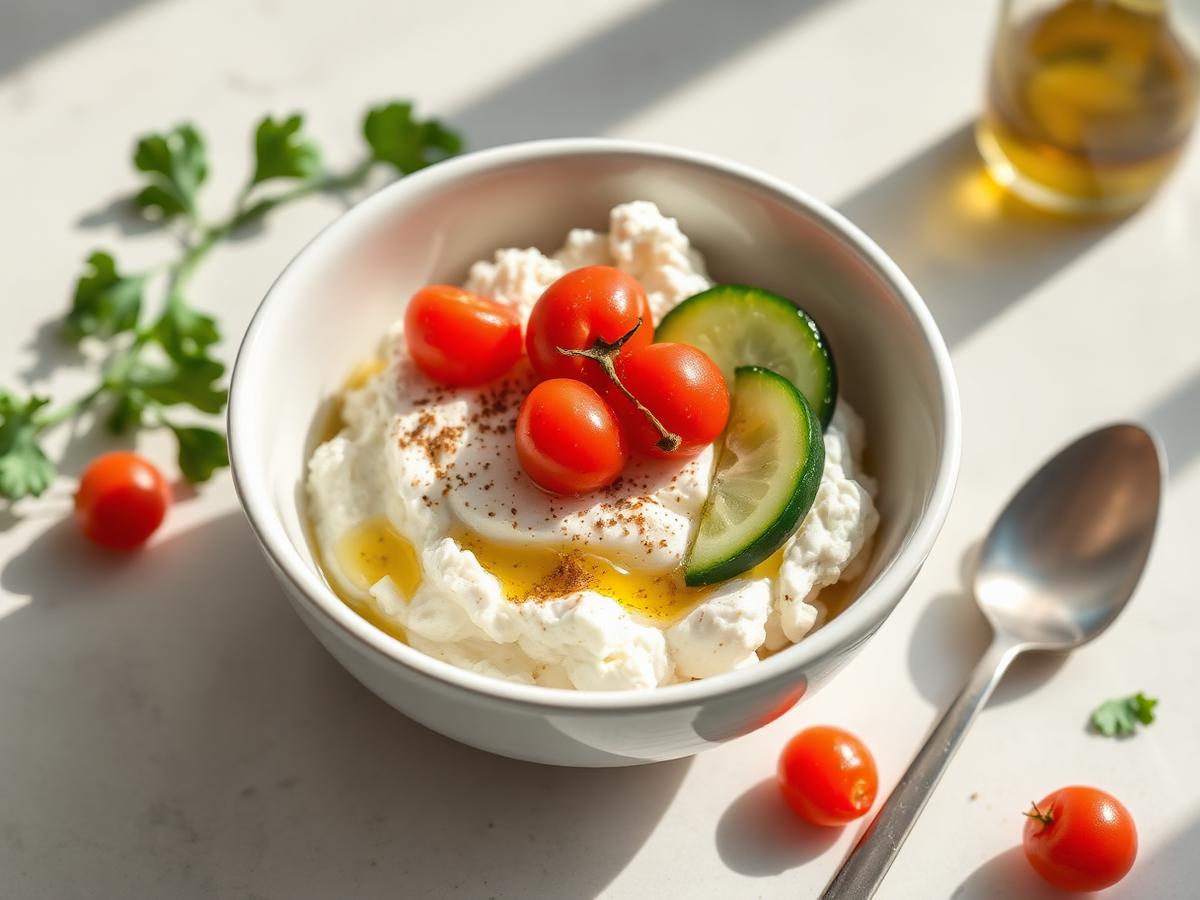
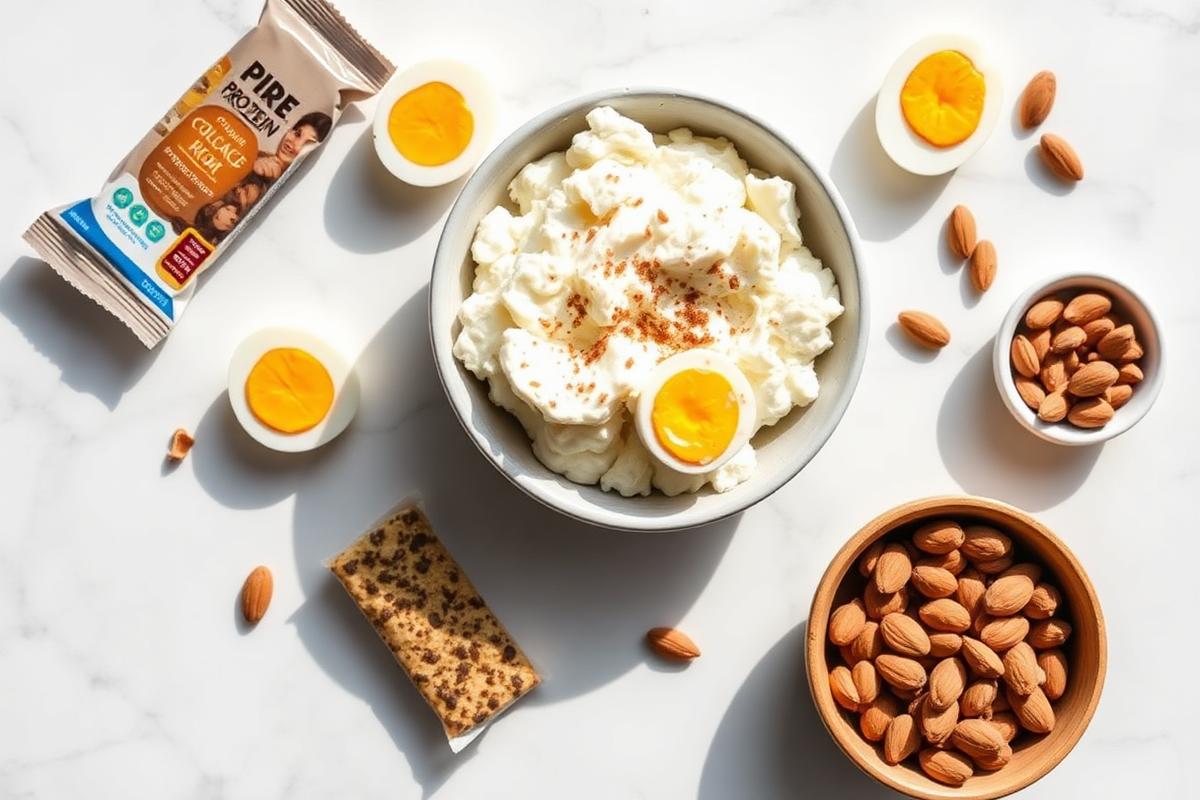
- Cottage cheese bowl with everything seasoning — 31g
- Greek yogurt with berries and hemp seeds — 26g
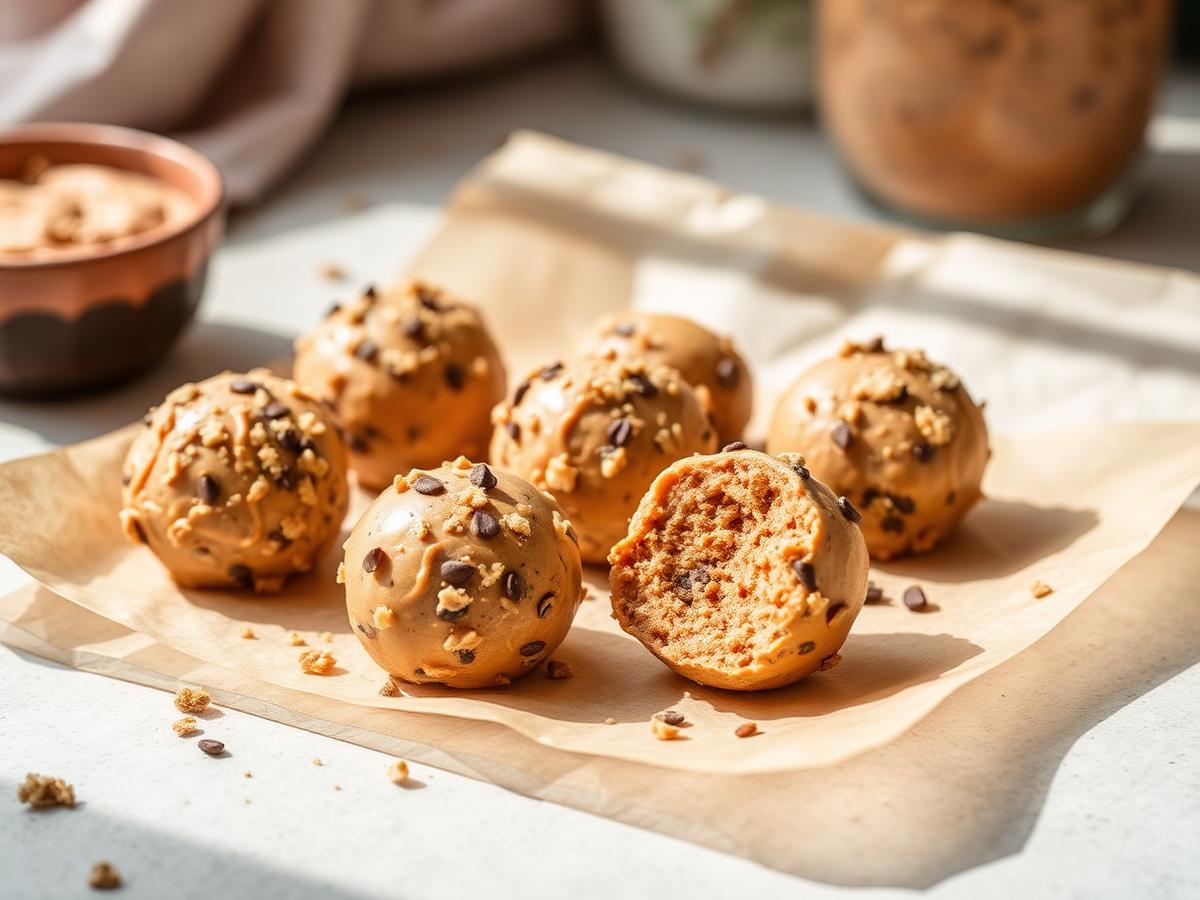
- Two protein peanut butter bites plus a glass of milk — 26g
- Turkey and cheese roll-ups with baby carrots — 24g
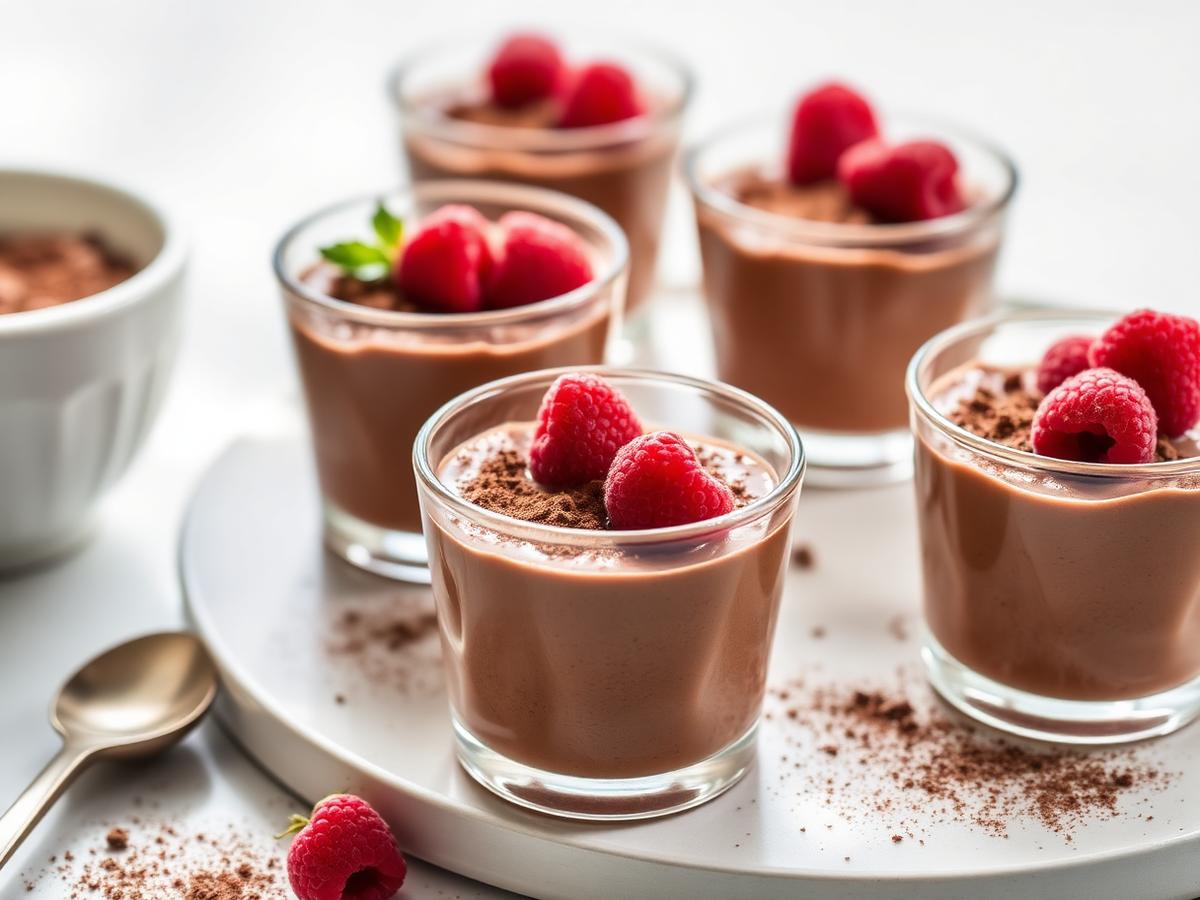
- Chocolate protein mousse — 26g
- Hard-boiled eggs with a handful of edamame — 22g
- Tuna packet on whole grain crackers — 27g
- Protein smoothie with half a banana — 40g
- Beef jerky with an apple — 18g
- Roasted chickpeas plus a cheese stick — 17g
- Skyr with granola — 22g
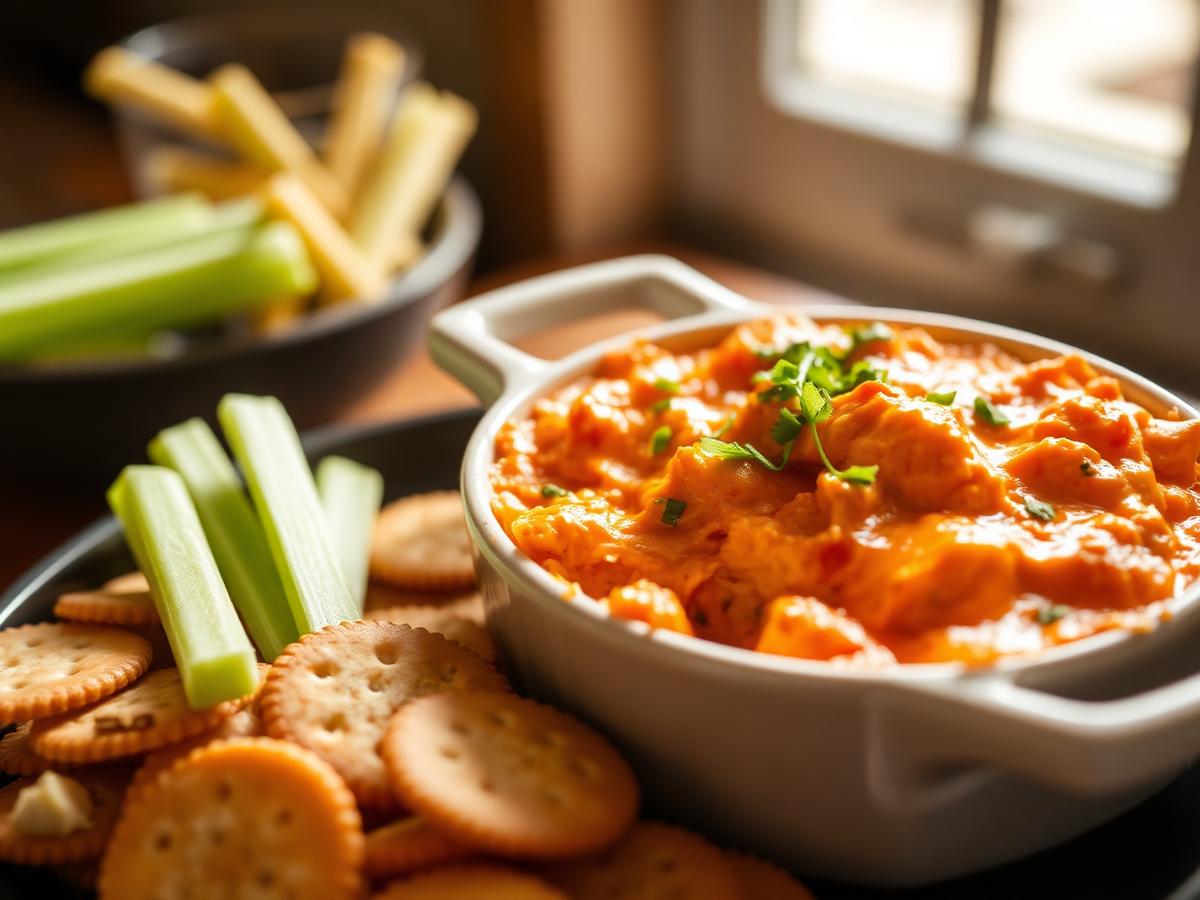
- Buffalo chicken dip with celery — 24g
- Egg salad on cucumber rounds — 20g
- Edamame with flaky salt, one full cup shelled — 18g
- Protein bagel half with smoked salmon — 25g
Snacks for the office, the gym bag, and the car
Shelf stability matters more than most nutrition advice admits. A perfect snack you cannot carry is not a snack you will eat.
For a desk drawer: tuna packets, roasted chickpeas, jerky, protein bars with at least 15 grams and under 8 grams of added sugar, and single-serve nut butter packets.
For a gym bag: a shaker bottle with pre-measured powder, a protein bar, and a banana. Add water and you have a post-workout meal in fifteen seconds.
For the car: anything that survives heat. Jerky, nuts, and shelf-stable protein shakes.
Reading a protein snack label honestly
The protein bar aisle is where good intentions go to die. Many bars deliver 10 grams of protein alongside 25 grams of sugar, which is a candy bar with a marketing budget.
Our filter: at least 15 grams of protein, no more than 10 grams of added sugar, at least 3 grams of fiber, and under 250 calories. Roughly one bar in eight passes.
Also check serving size. A pouch that lists 20 grams of protein for two servings gives you 10 grams for the pouch you obviously ate whole.
When to snack, and when not to
Snacking is a tool, not a requirement. If your meals are large enough and protein-dense, you may simply not need one.
The moments where a snack earns its place: a gap of more than five hours between meals, the ninety minutes before a workout, and the stretch between an early lunch and a late dinner.
If you are snacking because you are bored, tired, or stressed, no amount of protein fixes that. Address the input, not the output.
Frequently asked questions
Sources & further reading
About the author
Jenna Ruiz, RDN — Jenna is a California-based registered dietitian nutritionist and recipe developer. She spent eight years in clinical nutrition before founding Protein Plate Co. to make high protein cooking practical for people with real schedules.