How to Eat High Protein at Restaurants Without Being That Person
By Jenna Ruiz, RDN · 4 min read · Updated July 20, 2026
Three habits that cover ninety percent of situations
Restaurant menus are built around the cheapest ingredients on the plate, which are starch and oil. Protein is the expensive part, so it is portioned carefully and often buried under things that are not.
The first habit: order the protein first, then decide what goes with it. Scan the menu for the grilled, roasted, or braised animal or soy protein, pick one, and build around it. This inverts the usual process, where you pick a dish and hope it contains enough.
The second: add a protein rather than subtracting a carbohydrate. Adding grilled chicken or a second egg is a normal, unremarkable request that every kitchen handles. Asking for a bunless, riceless, deconstructed version of something is a bigger ask and usually leaves you hungrier.
The third: get the sauce on the side when the sauce is creamy or sweet, and ignore it entirely when it is not. This is the only modification worth making routinely, and it is the least disruptive one on any menu.
Cuisine by cuisine
Every cuisine has an obvious high protein lane. Learning one order per cuisine means you never have to think again.
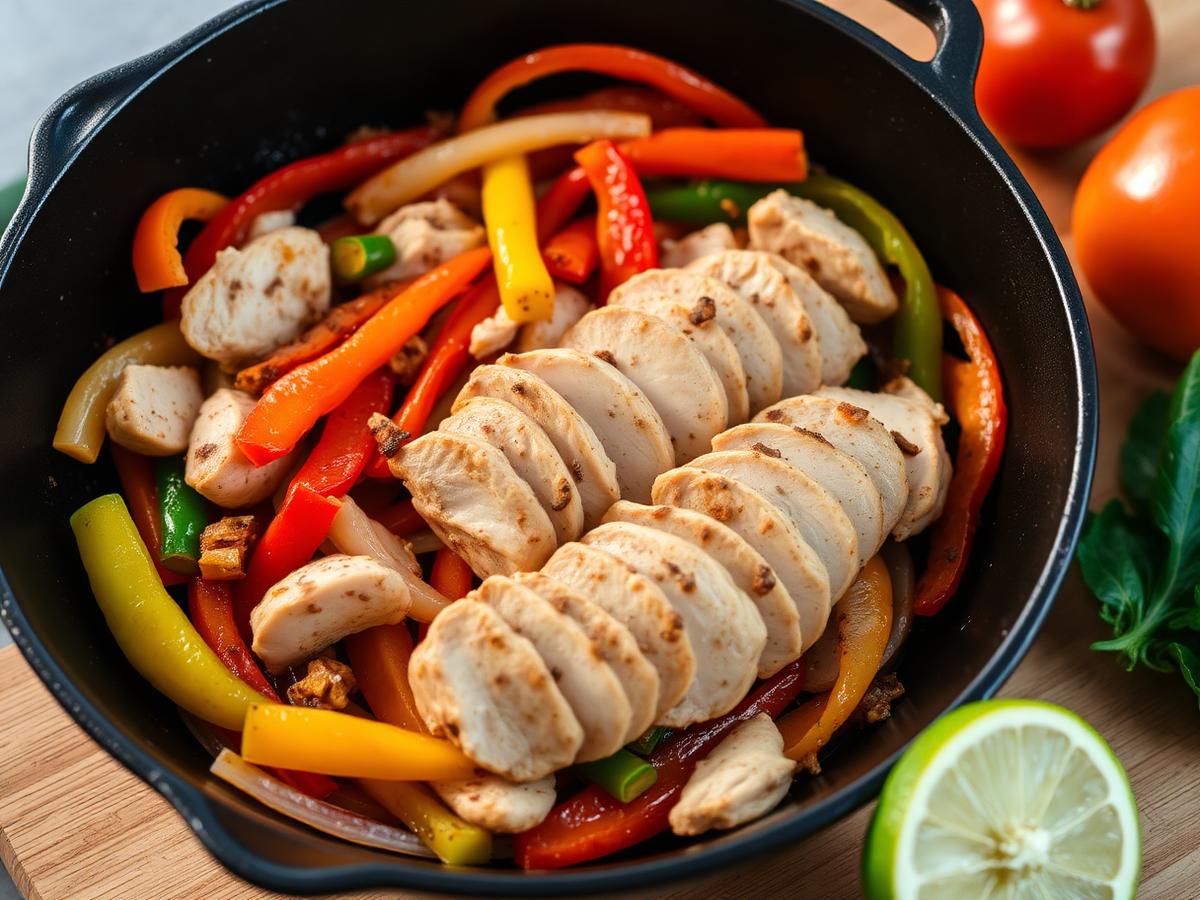
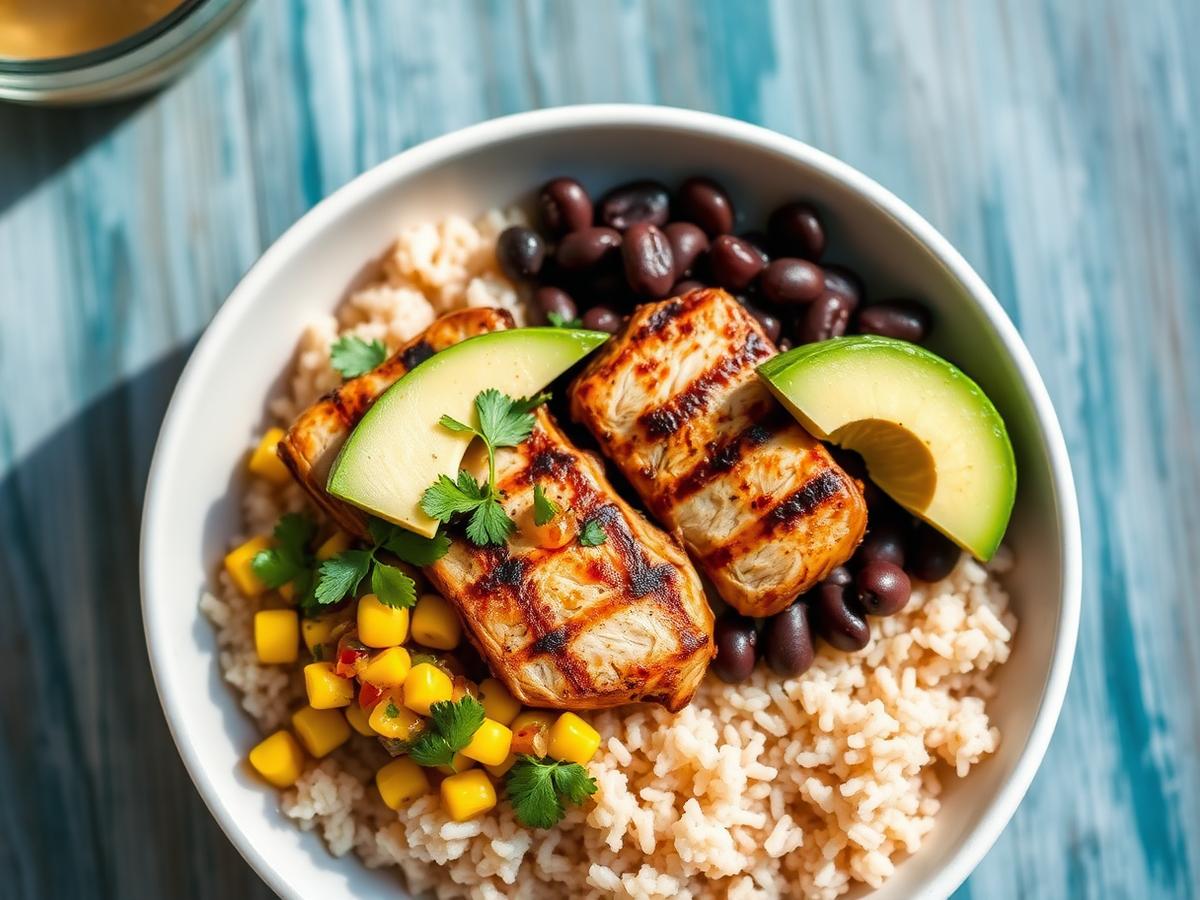
- Mexican: fajitas, carne asada plate, or a burrito bowl with double meat and black beans — 45 to 60g
- Japanese: sashimi, chirashi, grilled salmon teishoku, or edamame plus a chicken donburi — 40 to 55g
- Italian: grilled fish or chicken secondi, or pasta with a bolognese plus a side of prosciutto and burrata — 35 to 50g
- Thai: larb, grilled satay, or any curry with double protein and less rice — 35 to 45g
- Indian: tandoori chicken, fish tikka, or paneer with dal — 40 to 50g
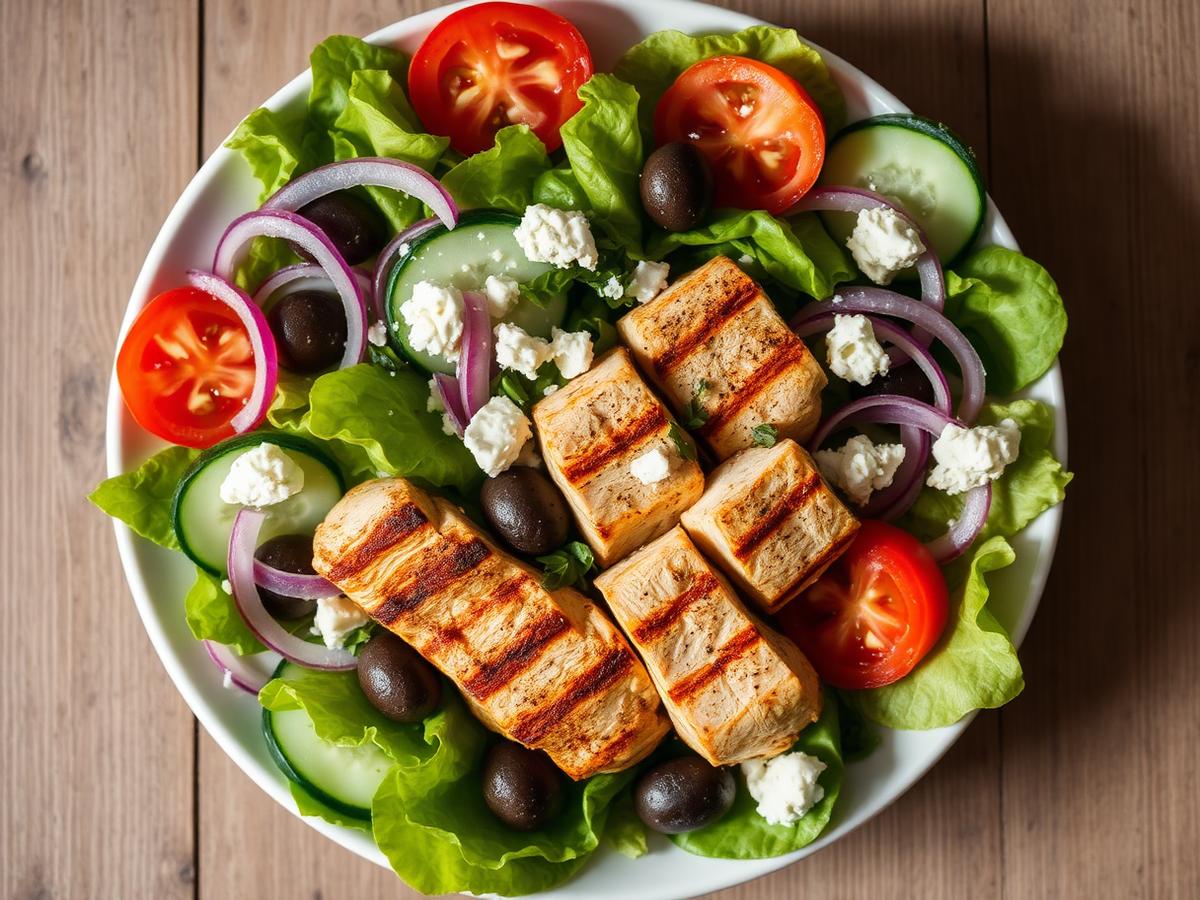
- Greek and Middle Eastern: mixed grill, chicken souvlaki plate, or hummus with kofta — 45 to 60g
- American diner: steak and eggs, an omelet with a side of bacon, or a burger patty plus a cup of chili — 40 to 55g
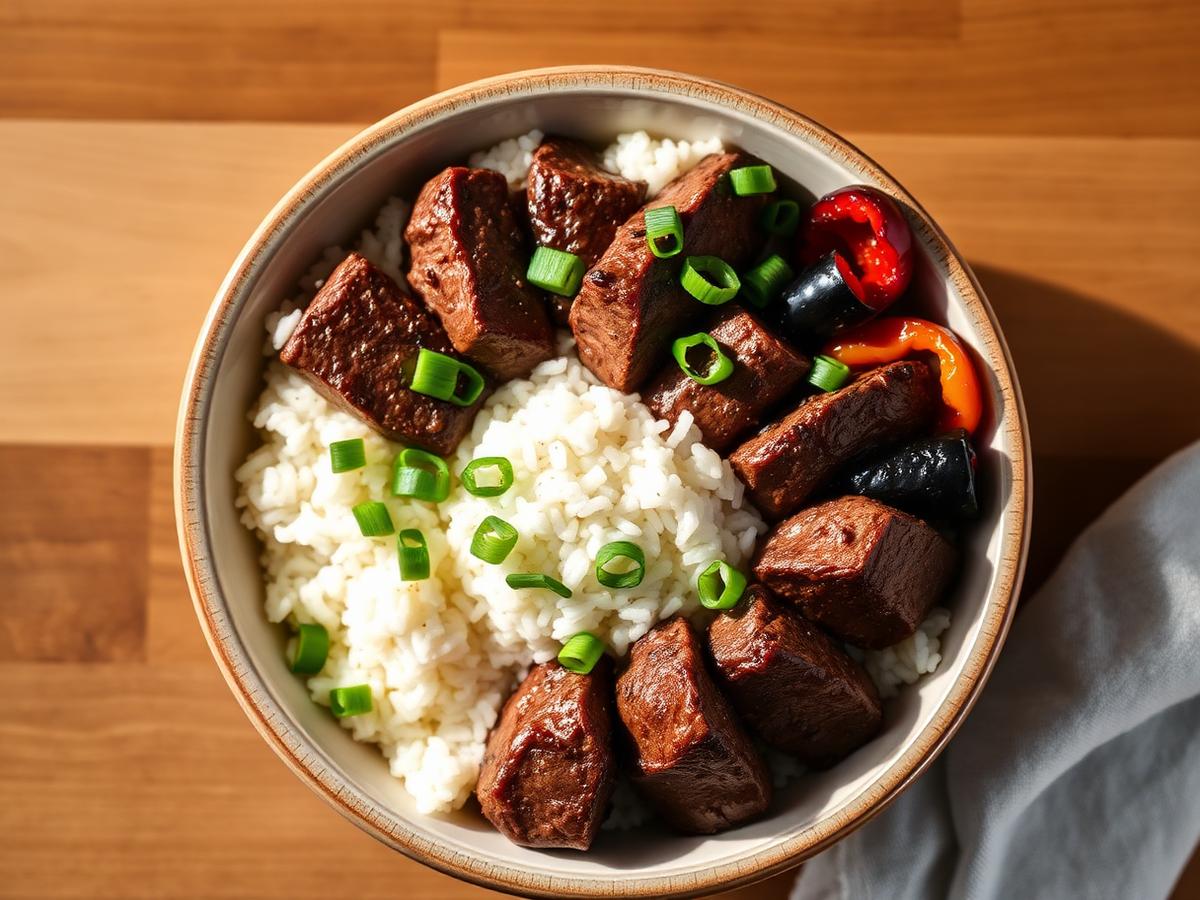
- Chinese: steamed fish, beef and broccoli, or moo shu pork with light rice — 35 to 45g
Fast food, without pretending it is not fast food
Fast food is often the highest-protein-per-dollar option available, and for a busy person on the road it beats skipping the meal entirely.
The pattern is the same everywhere: order the protein-dense item and skip the second starch. Two grilled chicken sandwiches deliver more protein than a sandwich plus fries, at similar calories and lower cost.
- Chipotle: burrito bowl, double chicken, black beans, fajita veggies, salsa — 62g
- Chick-fil-A: grilled chicken sandwich plus 8-count grilled nuggets — 63g
- McDonald's: two McDoubles, no changes needed — 44g
- Subway: rotisserie chicken footlong on wheat, double meat, loaded with vegetables — 60g
- Taco Bell: Power Menu Bowl with extra chicken — 40g
- Panera: Greek salad with chicken plus a cup of turkey chili — 48g
- Wendy's: grilled chicken sandwich plus a small chili — 50g
- Starbucks: egg white bites plus a shaken espresso with milk — 25g
Breakfast and brunch, the hardest meal to order
Brunch is engineered against you. Pancakes, French toast, avocado toast, pastries, and hash browns dominate, and the protein content of a typical brunch plate hovers around 12 grams.
Omelets are the reliable answer, but only with additions. A three-egg omelet is 18 grams; adding cheese and a meat brings it to 32. Ask for a side of eggs alongside anything else you order and you have solved the meal.
Smoked salmon is the other strong brunch protein, and Greek yogurt parfaits are worth ordering only when yogurt is listed as Greek — regular yogurt parfaits are mostly granola.
Drinks, appetizers, and where the calories actually go
The protein question and the calorie question are separate, and it helps to treat them that way. You can hit 50 grams of protein at a restaurant and still eat 1,600 calories, mostly from oil, bread, and drinks.
If calories matter for you that evening, the highest-leverage choices are the drinks and the shared appetizers, not the main course. Two cocktails and a shared plate of fried something is frequently more calories than the entree you agonized over.
A useful approach: pick the thing you actually want most — the drink, the bread, or the dessert — and let the other two go. Order the protein-forward main regardless. This gets you a satisfying meal and a decent nutritional outcome without a single special request.
The social part
The fastest way to make eating well unsustainable is to make everyone else at the table aware of it. Elaborate modifications, out-loud calculations, and declining the shared plate all cost more socially than they return nutritionally.
Almost everything in this guide can be done silently. Ordering the fajitas instead of the enchiladas is not a statement. Adding chicken to a salad is not a lifestyle announcement.
And one meal does not decide anything. If the restaurant has nothing that fits, eat what you want, enjoy it, and get back to the plan at your next meal. Consistency across a month is what produces results, not perfection across a Tuesday.
Frequently asked questions
Sources & further reading
About the author
Jenna Ruiz, RDN — Jenna is a California-based registered dietitian nutritionist and recipe developer. She spent eight years in clinical nutrition before founding Protein Plate Co. to make high protein cooking practical for people with real schedules.